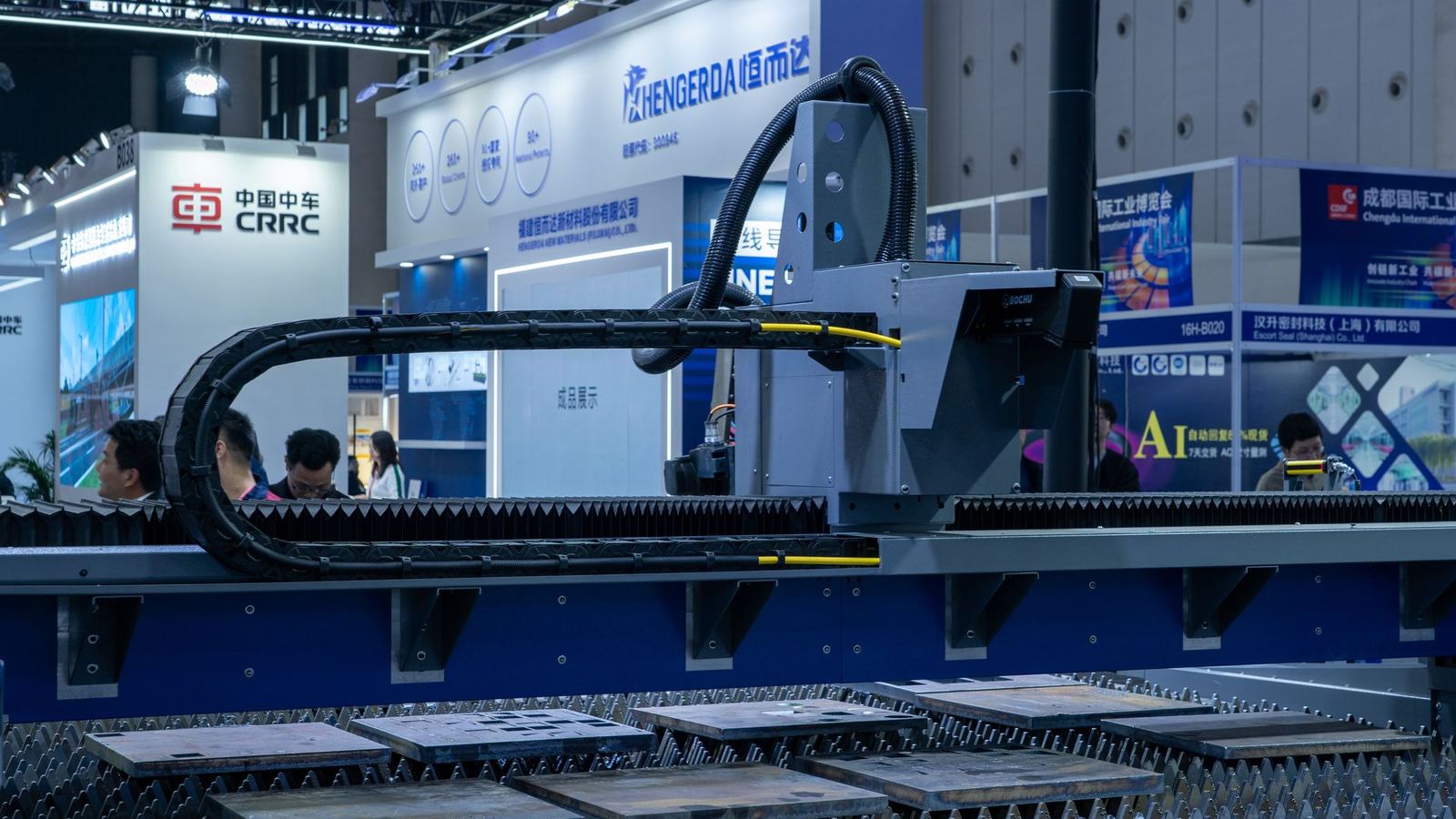
Long before a bid is scored, the people scoring it form a picture of your company. They read the capability statement. They check the project list. Then, if they can, they look for evidence of what your company is actually like in the field: crews, equipment, sites, finished work. A construction capability video puts that evidence in front of them in about three minutes, in a form they can also pass along to everyone else on the selection side.
No video wins work by itself, and any company that promises that is selling something. What a capability video does is present your qualifications clearly, so the first impression matches the company that will show up on site. Our construction Video Production and photography page covers the service. This post covers what belongs in the film and where it should run.
What a Capability Video Shows
A selection committee is screening for capacity and reliability. The film should be built around the evidence for both:
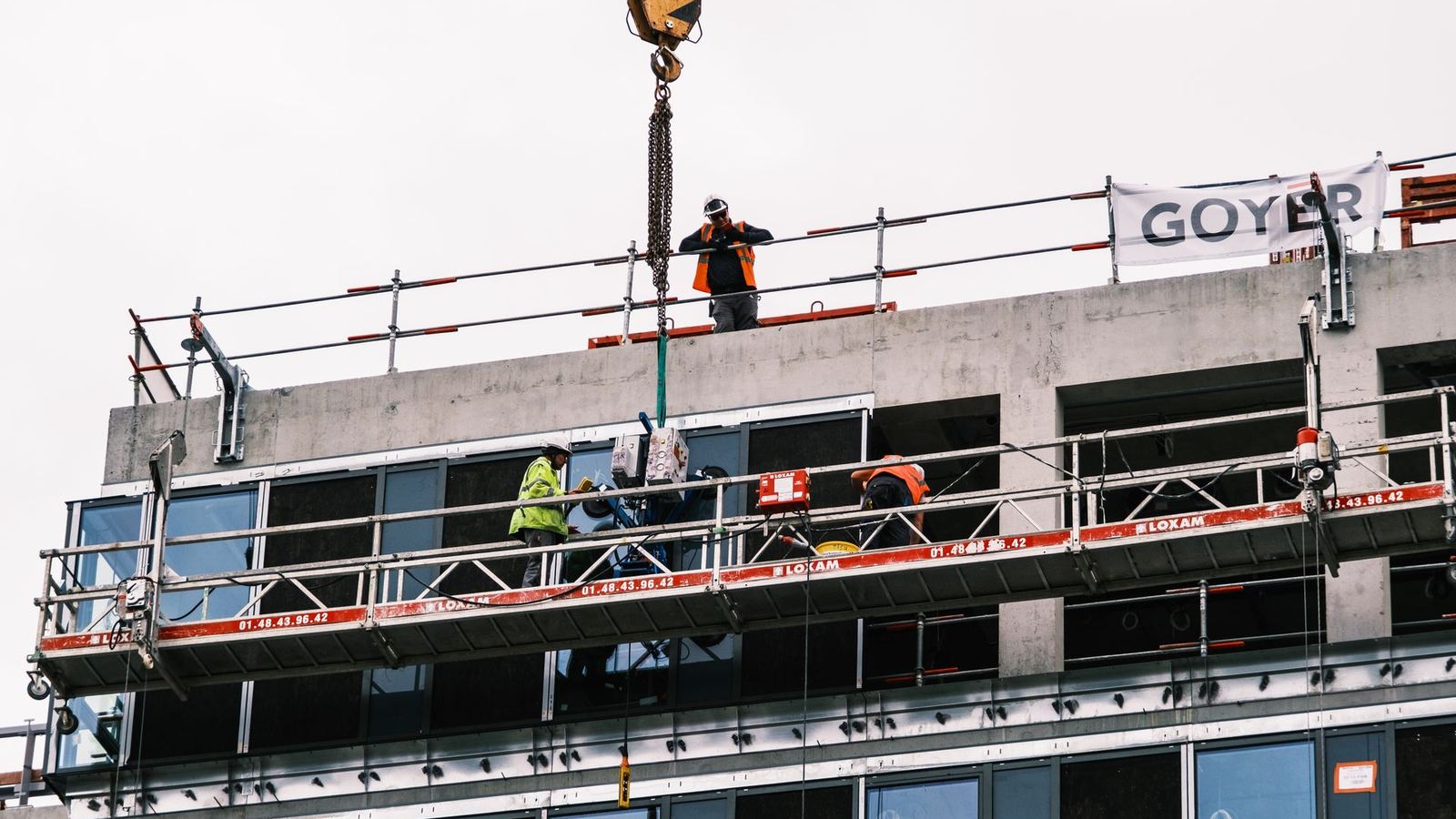
- Crews at work. Superintendents, foremen, and trades on real sites, following the site’s own safety rules, wearing the gear the work requires. Staged footage with clean boots and empty sites reads as advertising and gets discounted.
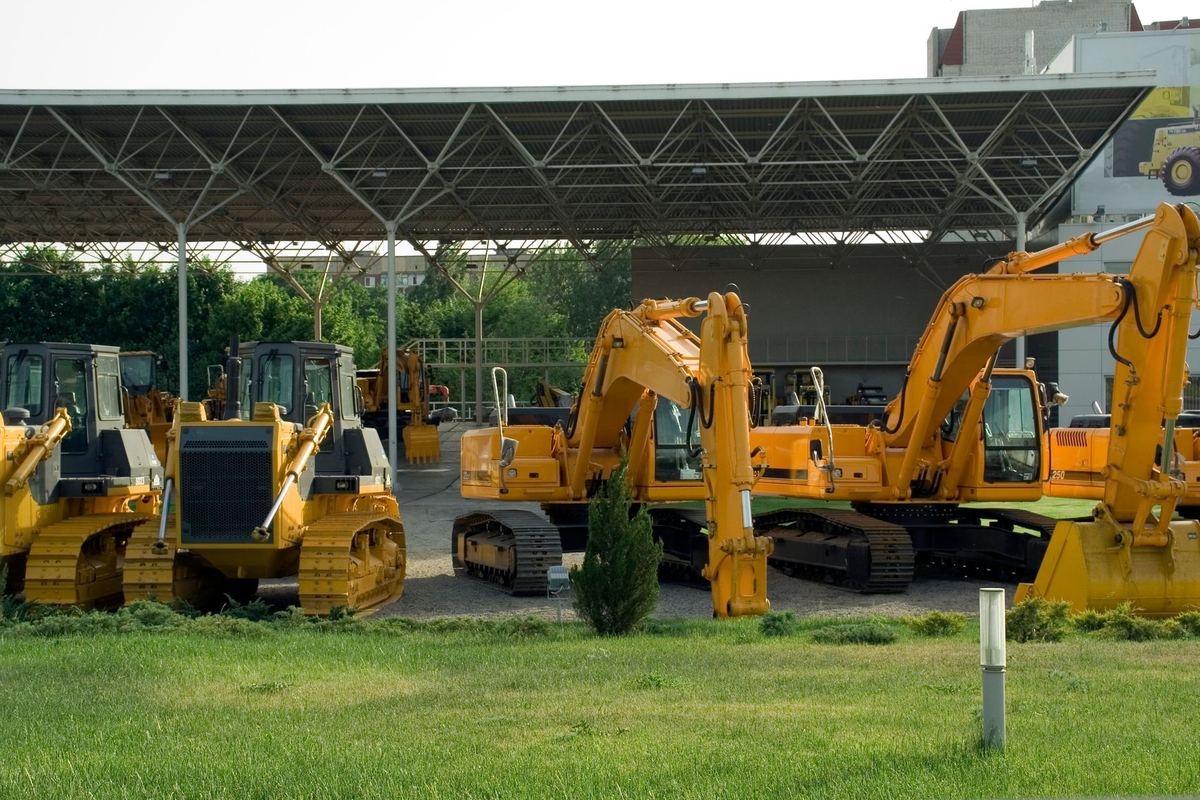
- Equipment and yard. Owned fleet, yard, shop, and staging areas. This is the physical proof behind the numbers in a capability statement.
- Project range. Current and finished work across the sectors you pursue, shown in the order a reviewer thinks: scale first, then variety, then detail.
- Leadership on camera. A short, plain spoken segment from the people who run the company: what you build, where you work, how a job is managed. Reviewers are choosing people as much as paper.
- Process. Estimating, scheduling, safety briefings, and closeout, shown briefly and honestly. Process footage answers the questions a prequalification form cannot.
Filmed on Real Jobs, on Purpose
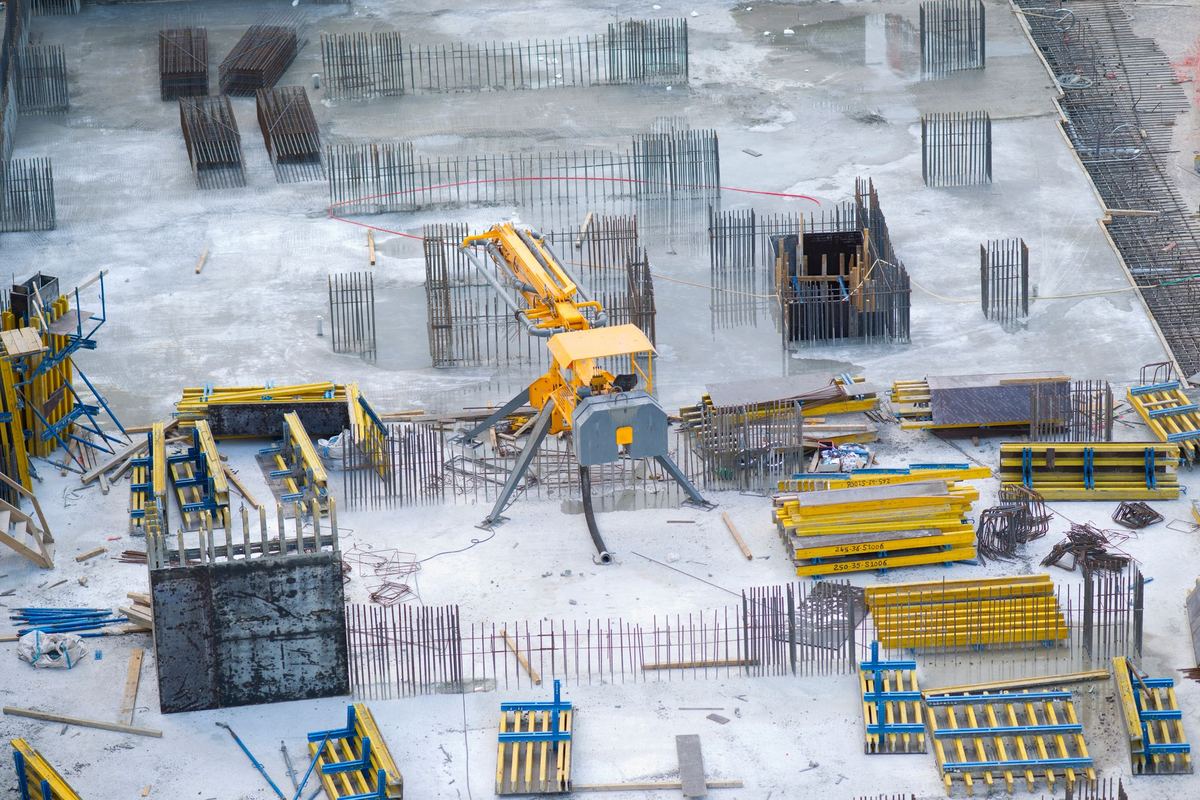
Capability footage has to come from real work, which means it has to be planned around active sites. Permissions from the owner or general contractor, site safety orientation for the camera crew, and shoot windows that respect the day’s critical work all get arranged in advance. The documentation discipline behind our warehouse photo documentation checklist applies on a jobsite too: a planned shot list, locations logged, and nothing left to memory.
Aerial footage earns its place when it shows scale: site layout, phasing, progress across a large footprint. Our post on drone photography for warehouses covers the rules and limits that govern commercial drone work, and the same care applies over a construction site. A short list of planned flights beats a day of unstructured flying.
One shoot can also serve a second purpose. The same jobsite days that produce a capability film produce material for hiring, as our post on recruiting videos for construction companies covers. Plan both lists before the crew rolls, and the second film costs a fraction of a separate production.
No video wins work by itself, and any company that promises that is selling something.
Where the Film Runs
A capability video is built for specific placements, and the edit should be shaped for each of them:
- The company website, on the page a reviewer visits after your name reaches a short list.
- Prequalification and proposal packages, as a link beside the capability statement, so the paper claims and the visual evidence sit together.
- Capability meetings and interviews, where three minutes of film can open the meeting and set the terms for the conversation.
- Sales and business development follow up, where a short version gives a contact something worth forwarding inside their organization.
Each placement needs its own length and its own file set. The full list of what a construction production should hand over, masters, short cuts, stills, and captions, is covered in our post on video deliverables for construction companies. Ask for that list in writing before the shoot, not after it.
Keeping the Film Current
A capability video ages in a specific way. The work in it gets older, the fleet changes, key people move on, and a film that was accurate three years ago quietly stops matching the company. Plan for that at the first shoot. Film leadership segments and facility footage as separate pieces, so a new segment can replace an old one without reshooting everything. Keep a simple log of what appears in the film and when it was recorded. Then review the film once a year against the project list, the same way you would review the capability statement itself. A short update shoot, one or two days on current sites, keeps the evidence current and costs far less than starting again.
Photography Still Carries Part of the Job
Video shows a company in motion. Still photography does the close inspection work: finished spaces, detail, and the portfolio pages a reviewer studies one project at a time. Completed project photography follows the same standards as our commercial real estate and architectural photography, and it should be gathered on the same site visits as the filming. For work that sits at the larger end of the market, capability material also supports the conversations described on our corporate and B2B Video Production page, where buyers screen vendors before any bid is issued.
Start a Conversation
Red Passage is a Georgia based visual communications studio in Newnan. We film construction and industrial companies across Georgia, including the operations work shown on our industrial, manufacturing and logistics Video Production page, and our full range is set out on our services page. If your next round of bids is coming and your capability material is still a PDF and a handshake, Start a Conversation and tell us which work you are going after.