Two requests arrive at our studio in almost the same words. We need a video about the company. Behind that sentence sit two different films. A brand story video explains who a company is and why it does the work. A company overview video explains what the company does and how it does it. They look similar in a quote, because both involve interviews and footage of your facility. They do different jobs, they run in different places, and choosing the wrong one first is a common way to spend a production budget without moving anything.
This post lays out the difference in plain terms, where each film runs, and the questions that tell you which one you need. Our corporate brand and storytelling Video Production page covers the brand side of this work in full.
What a Brand Story Video Does
A brand story video is about identity. It covers where the company started, what it believes about the work, the people who carry it, and the standard those people hold. The main voices are usually the founder, long serving staff, and sometimes a client. The footage favors faces, hands, and real moments over wide shots of buildings.
This is the film that sits on an about page and at the top of a recruiting effort. A viewer who has never heard of your company should finish it knowing what kind of people they would be dealing with. Our own post on the creative background behind Red Passage follows the same logic in written form: background first, because trust in a service company starts with the people providing the service.
A brand story is not the place for a service list. Viewers remember one idea from a film like this, and that idea should be the thing your company stands for, stated plainly and shown in the work itself.
What a Company Overview Video Does
A company overview video is about capability. It walks a qualified viewer through services, process, facility, equipment, and the way a job moves from first call to delivery. The audience is narrower and further along: a procurement officer, an operations director, a partner screening vendors before a short list is made.
This film runs in sales meetings, in proposals, and on the service pages of a website. It often includes a facility walk through, which is why the structure in our post on the distribution center video tour is a useful model: move in the order the work moves, and let each area explain the next. Our post on Video Production for logistics companies shows the overview approach applied to one industry, where the viewer needs to judge capacity and process, not personality.
An overview can be updated in sections as equipment, services, or facilities change. A brand story usually cannot, because its value is that it stays true for years.
A brand story video explains who a company is and why it does the work.
How to Tell Which One You Need First
Ask four questions:
- Who is the viewer? A stranger deciding whether your company feels right needs the story. A buyer comparing three qualified vendors needs the overview.
- Where will it run? A homepage or about page placement points to the story. A proposal, a trade show screen, or a sales deck points to the overview.
- What decision follows? Contact and short listing follow the overview. Trust, referrals, and applications follow the story.
- What do you already have? Many companies have an overview in brochure form and no story at all. Others have a founder film and nothing a buyer can screen a facility with.
Most established companies need both, in that order of use: the story opens the relationship, the overview supports the decision. Companies in active bidding usually need the overview first, because it has a deadline attached to it, then the story once the overview is working. Both sit naturally beside your corporate and B2B Video Production material.
Can One Shoot Produce Both?
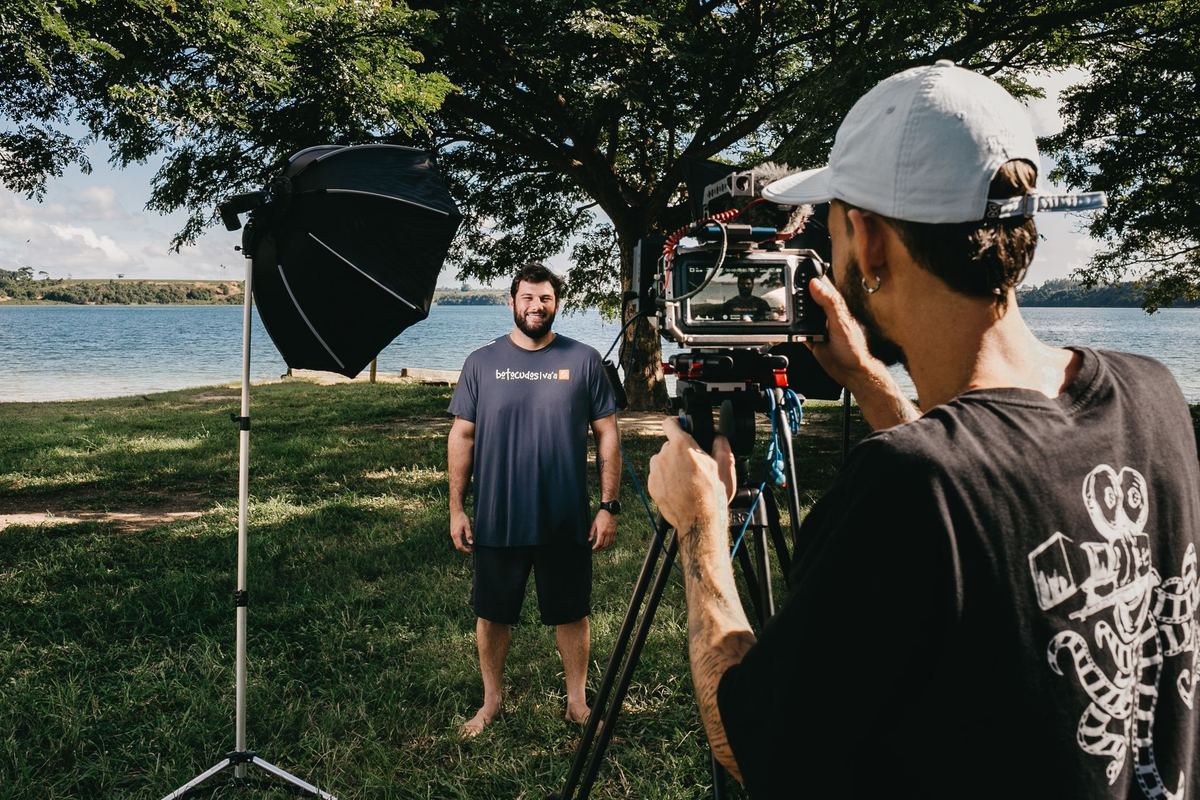
Often, yes, if it is planned that way from the start. The interview list overlaps: the founder and senior staff appear in both films, saying different things. The facility footage overlaps too. What changes is the edit, the order, and which answers get used. Client voices, gathered once with proper releases, can serve the story and support the overview, which is the working method behind our testimonial and documentary Video Production page.
Planning one shoot for two films means writing two interview guides, not one long one, and being honest about length. Each finished film should stay focused enough to be watched in full. Two tight films beat one long film that tries to do both jobs and does neither.
Start a Conversation
Red Passage is a Georgia based visual communications studio in Newnan, led by a founder with 13+ years of production experience and 450+ live productions behind him, work where an interview or an event often allows one take and the planning has to be right before the camera rolls. We produce both kinds of film for industrial and service companies, including the operations work on our industrial, manufacturing and logistics Video Production page and general commercial Video Production for Georgia organizations. If you are not sure which film your company needs first, Start a Conversation and describe where the video will run. That answer usually settles the question.