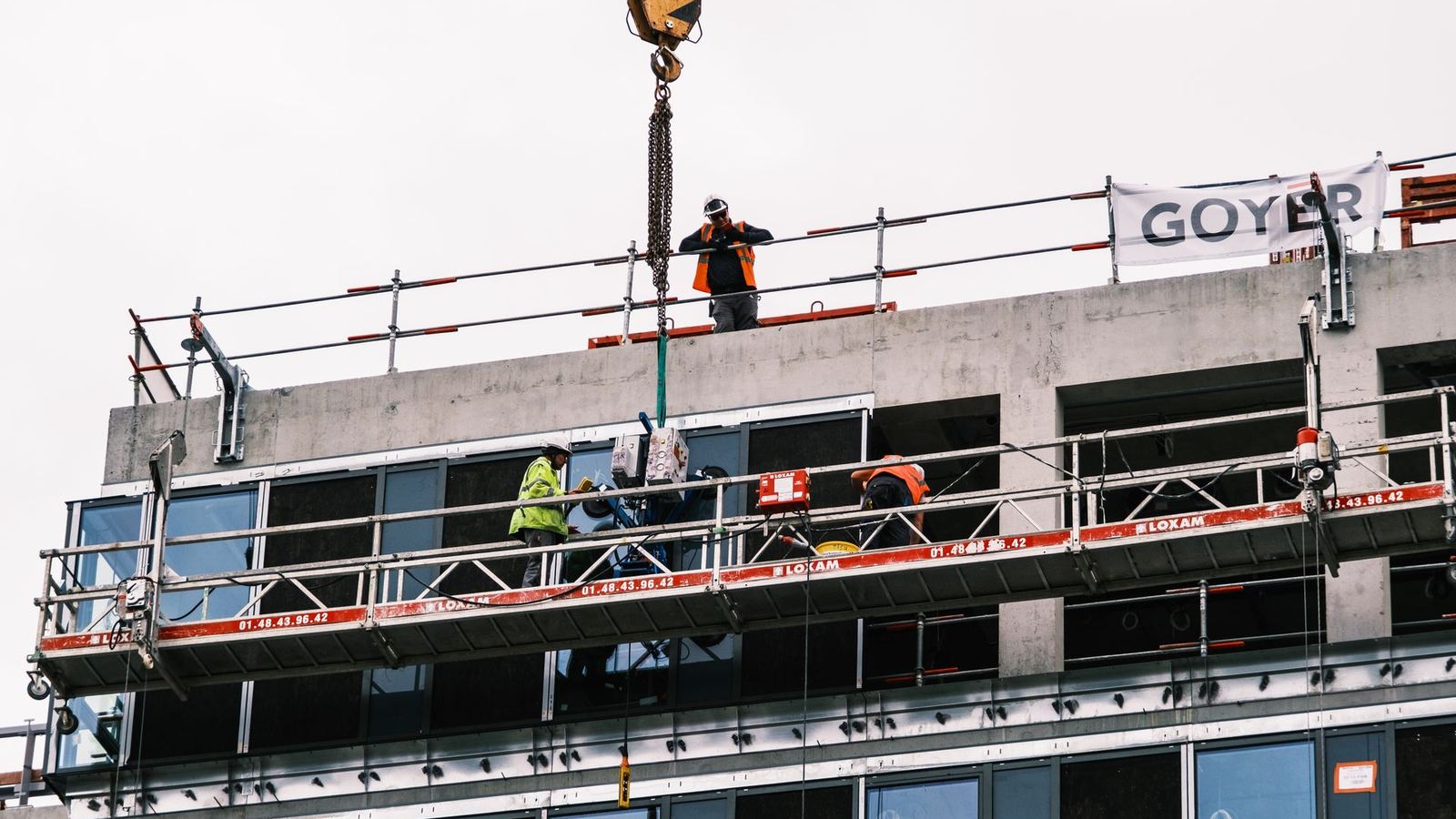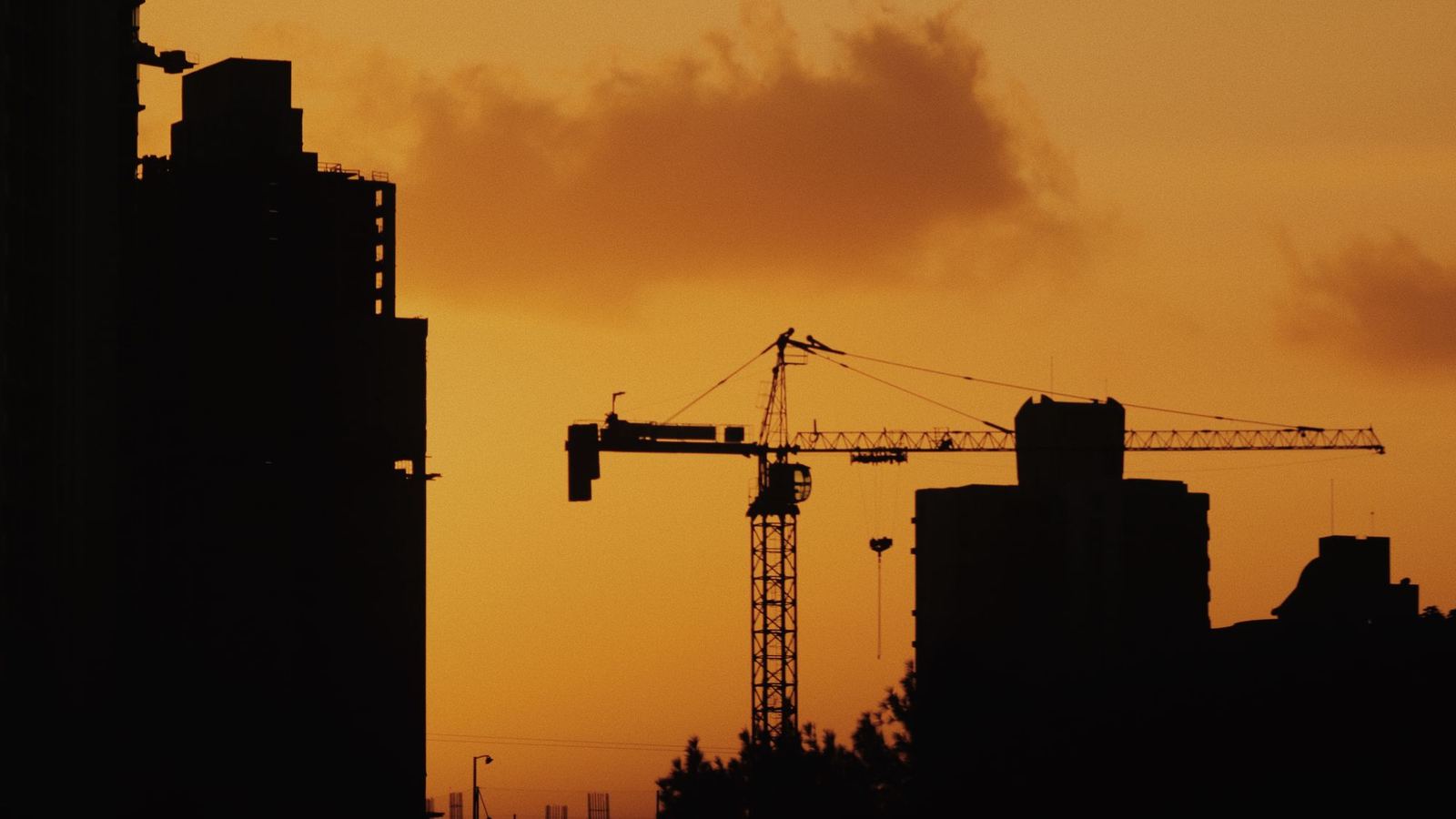
Progress photos are useful. Every project manager has a folder of them, and they answer a narrow question well: what did the site look like on that day? What they cannot show is the build itself. The sequence. The coordination. The months of work that turned an empty lot into a working facility. Construction time-lapse video shows exactly that, and it shows it in about two minutes.
That difference matters to the people who fund, approve, and hand over buildings. Owners, developers, and tenants do not only want proof that a project finished. They want a record of how it came together, and a film they can show their own boards, customers, and communities. Our wider service overview sits on the construction video and photography page. This post covers the time-lapse part of that work, and where it earns its keep.
Photos Show Moments. Time-Lapse Shows the Work Between Them
A set of progress photos is a stack of still moments with the effort removed. The crane moves are missing. So is the week the steel went up, the day the roof closed in, and the steady change from mud to slab to structure. Time-lapse restores that missing middle. Viewers watch the site organise itself, and they come away with a sense of the project’s pace and control that no single photograph delivers.
This is not decoration. For a general contractor, the finished film is evidence of how the company builds: site kept in order, phases moving in sequence, milestones arriving one after another. For an owner, it is a record that supports updates to investors and lenders without another site report. For the tenants and neighbours around a project, it turns a long disruption into a story with an end they can see. We set out the full range of film and photo deliverables in our post on video deliverables for construction companies, and time-lapse belongs near the top of that list.
Where Construction Time-Lapse Video Earns Its Keep
Not every project needs it. The strongest cases share one trait: the change over time is the point.
- Ground-up builds. The full arc from clearing to handover, in one film.
- Facility expansions. An existing plant or warehouse growing while operations continue next door. The finished film pairs naturally with the launch material in our post on distribution center grand opening marketing.
- Interior buildouts. Slower and less dramatic, but valuable where a tenant or client wants to see a space fitted out before they commit.
- Long infrastructure and site work. Where progress is real but hard to see week to week, time-lapse makes the movement visible.
Short projects, measured in days, rarely justify a fixed camera. A crew with stills and drone passes will cover those better, and our post on drone photography for warehouses explains what aerial coverage can and cannot do on industrial sites.
A time-lapse is won or lost on placement, months before anyone sees a frame.
The Camera Decision Is the Whole Job
A time-lapse is won or lost on placement, months before anyone sees a frame. The camera needs one fixed view that holds the whole story: high enough to see the site, close enough to read the work, and positioned somewhere it can stay from the first week to the last. A view that works in month one can be blocked by the building itself in month four, so placement has to anticipate the finished structure, not just the empty site.
Power, weather, and access decide the rest. The camera has to run unattended through a Georgia summer and a winter cold snap. It has to be reachable for checks without disrupting the site. And the view has to be protected: agree with the site team that the camera position is part of the project, not an obstacle to move when it suits someone. Monthly check-ins matter too. A short progress cut every month or two confirms the view still works, and gives the owner something current to share while the build continues.
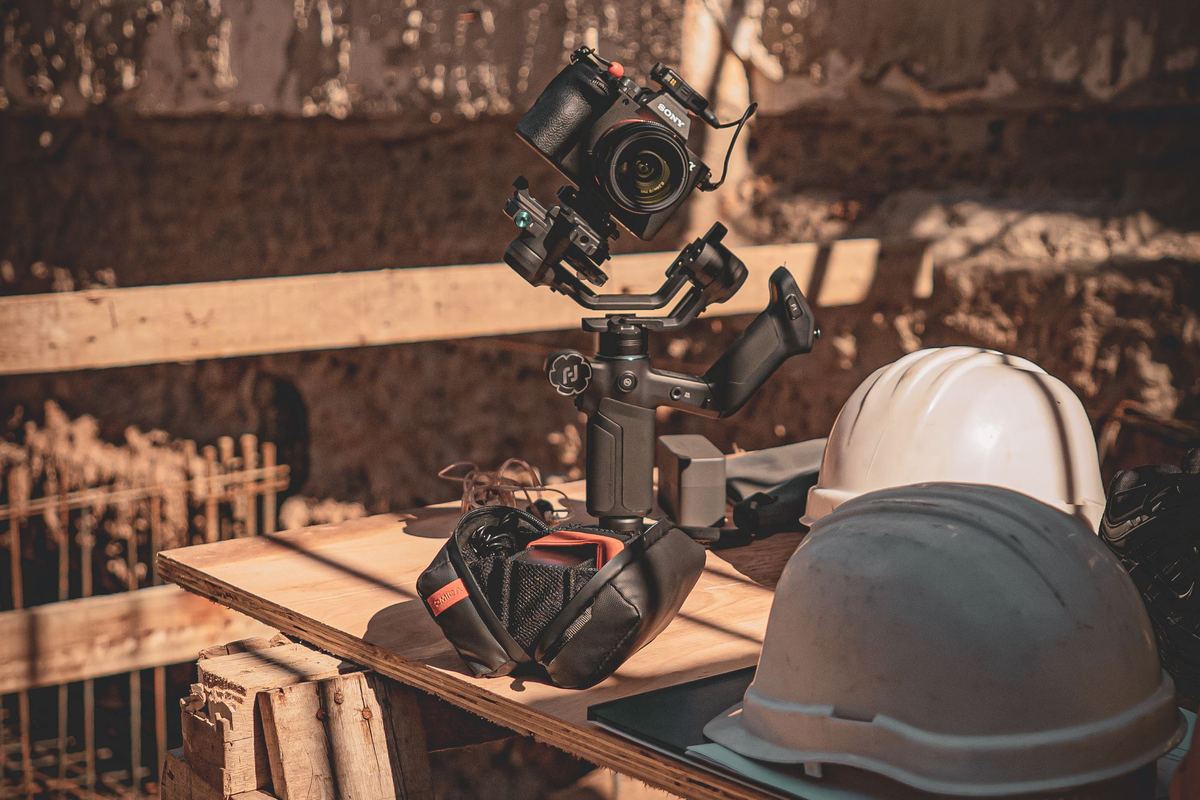
Time-Lapse Works Best With Company
The strongest project films rarely rely on time-lapse alone. The fixed camera carries the arc. Other material carries the detail:
- Progress stills, shot on a planned list, for reports and records.
- Drone passes at milestones, for the views a fixed camera cannot reach.
- Short interviews with the project team at handover, in the finished space.
- A final film that combines all three, edited for owners, stakeholders, and the contractor’s own portfolio.
That combination is also how the film keeps working after handover. The same material supports recruiting, because crews like seeing their builds presented well; our post on recruiting videos for construction companies covers that side. And for industrial clients taking over a finished building, the film sits alongside our industrial Video Production work as the opening chapter of the facility’s own story.
Questions to Settle Before the Camera Goes Up
- How long will the project run, and who checks the camera during that time?
- Where can a camera stay fixed for the full build, and who on site protects that position?
- Do you need monthly progress cuts, or only the final film?
- What happens to the footage if the schedule slips by two months?
- Who owns the raw frames, and in what format do they arrive at handover?
Start a Conversation
Red Passage is a Georgia based visual communications studio in Newnan. We plan construction coverage as one system: time-lapse, stills, aerials, and the finished film, the same approach described on our commercial real estate and architectural photography and commercial Video Production pages. Browse the portfolio for the standard of finish, and if a build on your calendar deserves a proper record, Start a Conversation.