A trade show is one of the most expensive weeks in a manufacturer’s year. Floor space, freight, travel, hotels, and days of staff time all land on one event. Most companies plan the booth down to the last banner and then think about video in the final week, if they think about it at all.
That timing is the problem. Trade show video production is not one film. It is three separate jobs: material that helps fill the booth before the show, coverage recorded while the show runs, and edits that keep working after everyone flies home. Planned together, one production covers all three. Planned late, you usually get only the middle one, and it is the least valuable of the three. Our event Video Production page covers the service in full. This post covers the order to do the work in.
Before the Show: Film the Plant, Not the Booth
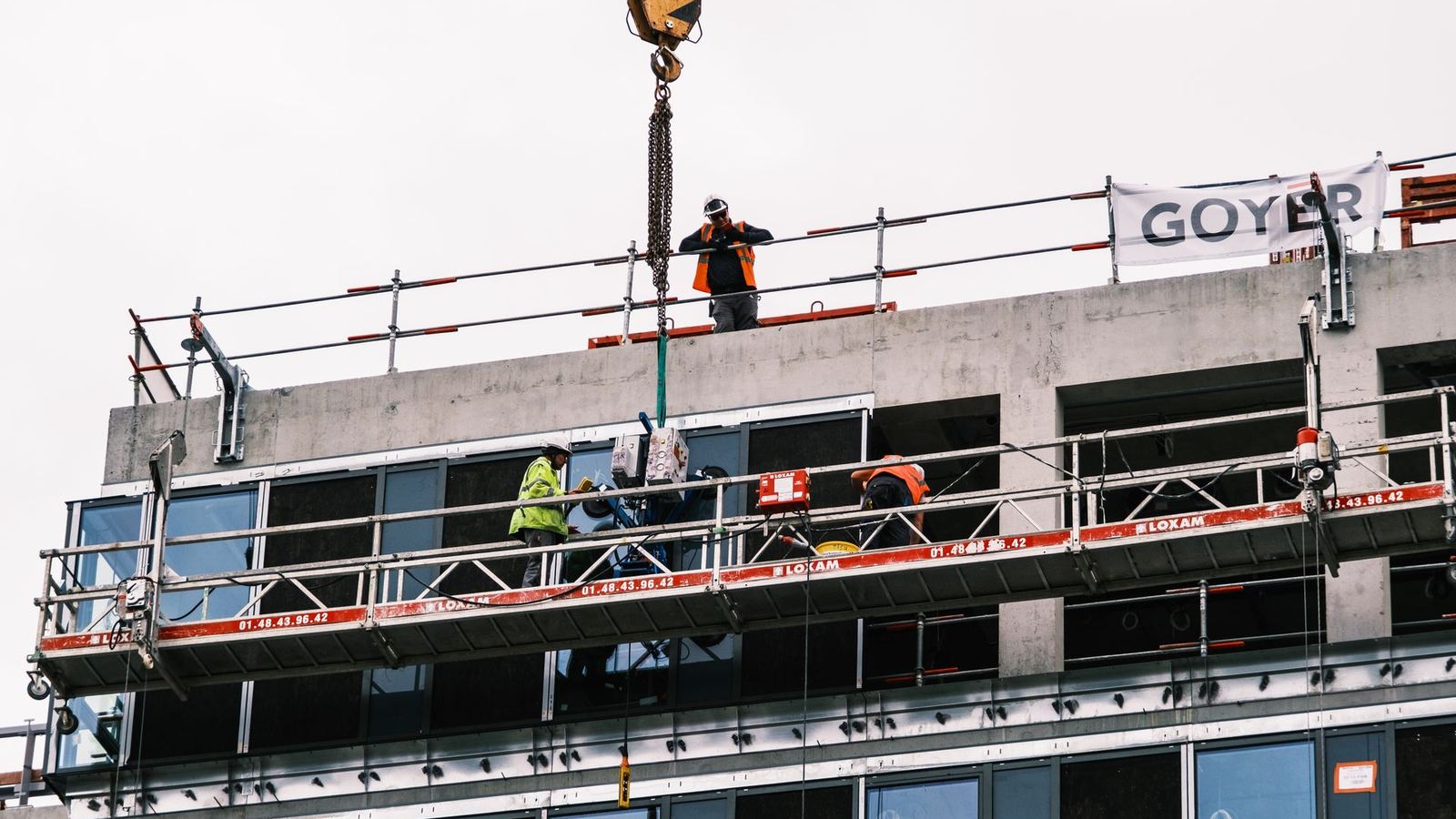
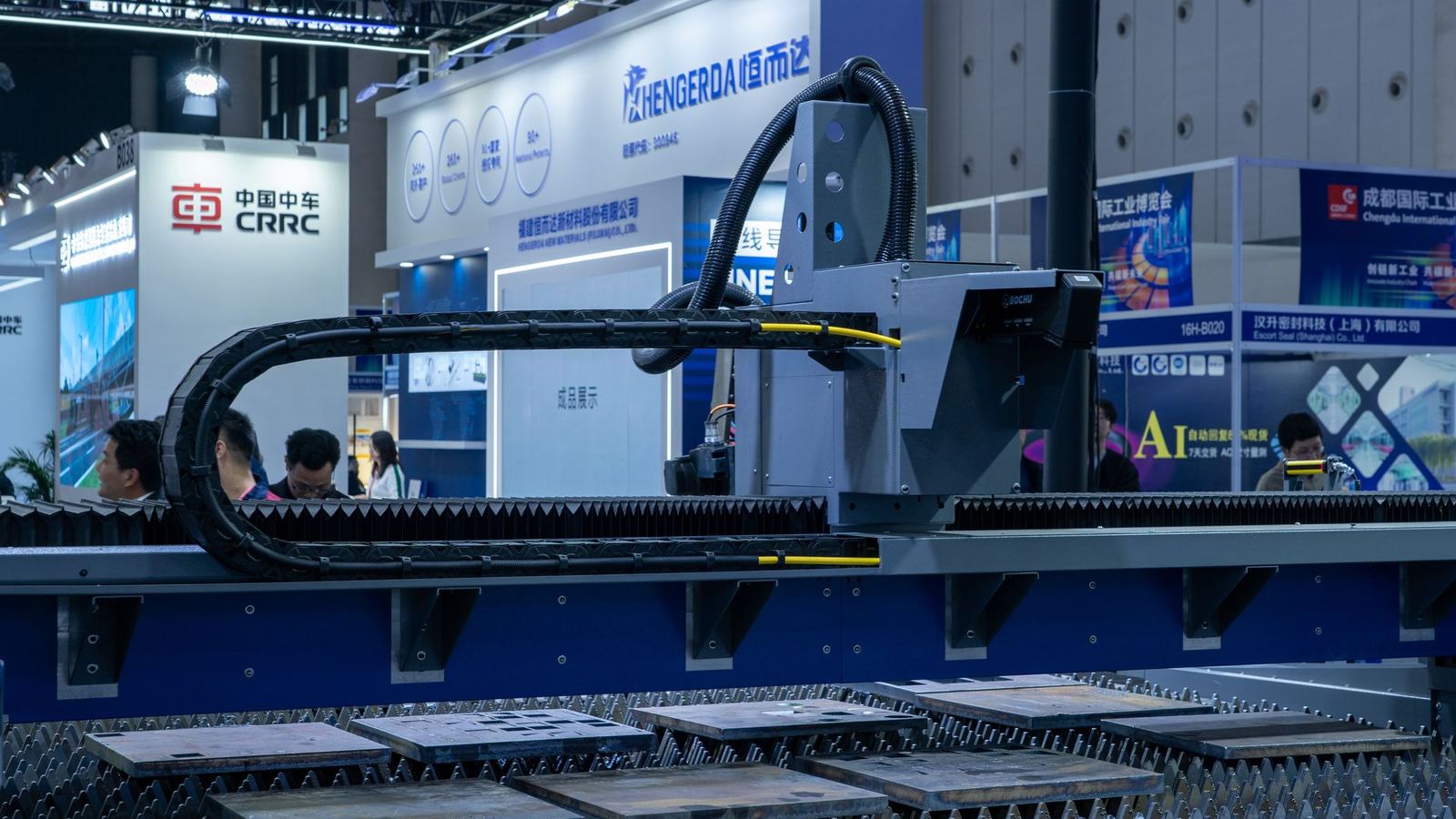
The strongest booth video is rarely filmed at the show. It is filmed at your facility, weeks earlier, where the machines run and the work is real. A short capability film on the booth screen gives a passing attendee a reason to stop. Product demonstrations recorded in the plant show detail that a static display cannot, which is the same reason product Video Production and a good logistics showcase video hold attention in a sales setting.
Before the show, plan for three assets. First, a booth loop that works with the sound off, because exhibit halls are loud and most booth screens run silent. That means captions, large visuals, and no narration carrying the message alone. Second, short invitation cuts your team can send to registered attendees and post before the doors open. Third, demonstration edits for the conversations your sales staff already know are coming. The planning habit is the same one behind a facility launch: our post on grand opening marketing for a new distribution center lays out the asset list logic, and it applies to a booth launch just as directly.
During the Show: Capture Conversations, Not Just Crowds
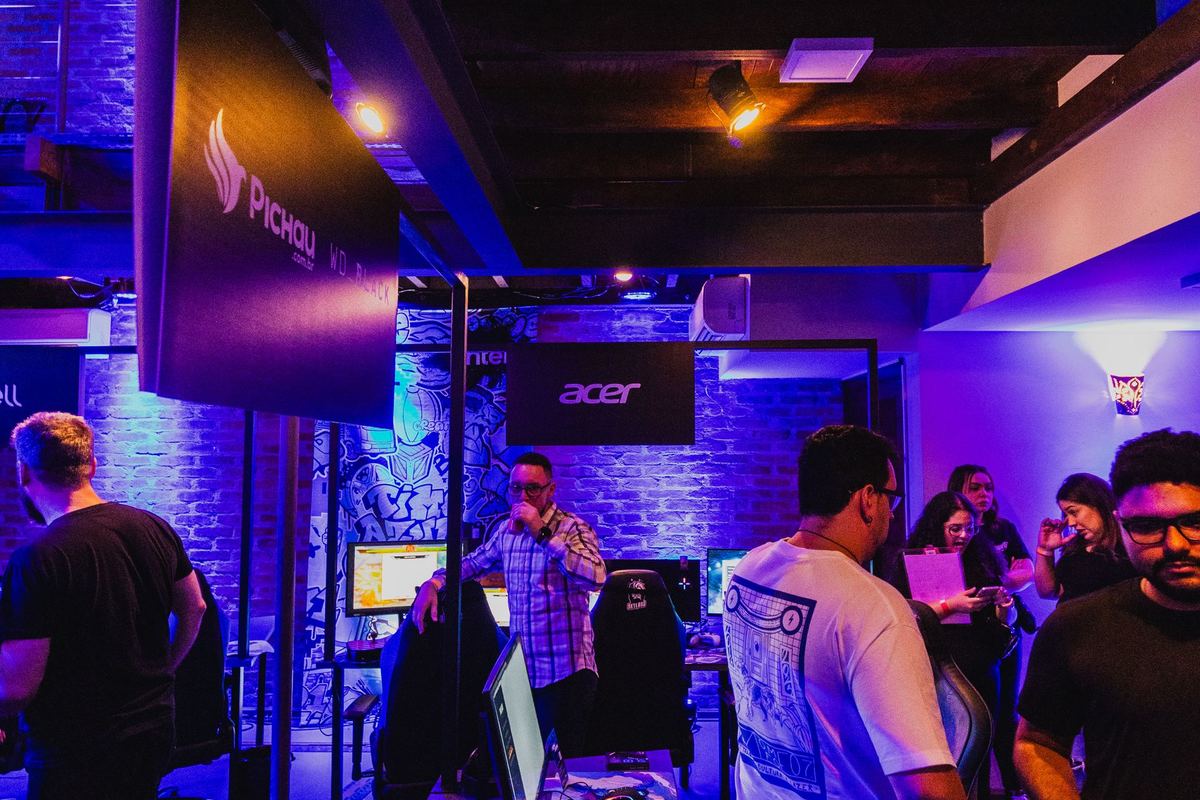
Hall footage is easy to get and hard to use. Wide shots of a busy floor look alike at every show in every industry. What holds value later is specific: your engineers explaining a product to a real prospect, a demonstration running in front of a small crowd, a customer describing a problem your equipment solved, with their permission and a signed release.
Interviews on a show floor need planning. Exhibit halls echo, announcements cut in, and light changes from booth to booth. A crew that knows the schedule can place short interviews in quieter corners and quieter hours, and record clean audio with the right microphones instead of relying on a camera microphone. That discipline is familiar to exhibitors in freight and logistics, where, as our post on Video Production for logistics companies explains, the film has to explain an operation clearly to people who will never visit it. Customer comments recorded at a show also feed later testimonial and documentary video, so releases and names should be logged on the day, not reconstructed afterward.
Planned together, one production covers all three.
One practical point for the show days themselves: assign one person on your team as the production contact. The crew needs a guide who knows where the product manager is, when the demonstration runs, and which customers have agreed to be filmed. Without that person, filming competes with staffing the booth, and it loses. With that person, the crew works the hall on a schedule and your sales team is never pulled away from a live conversation to solve a filming problem.
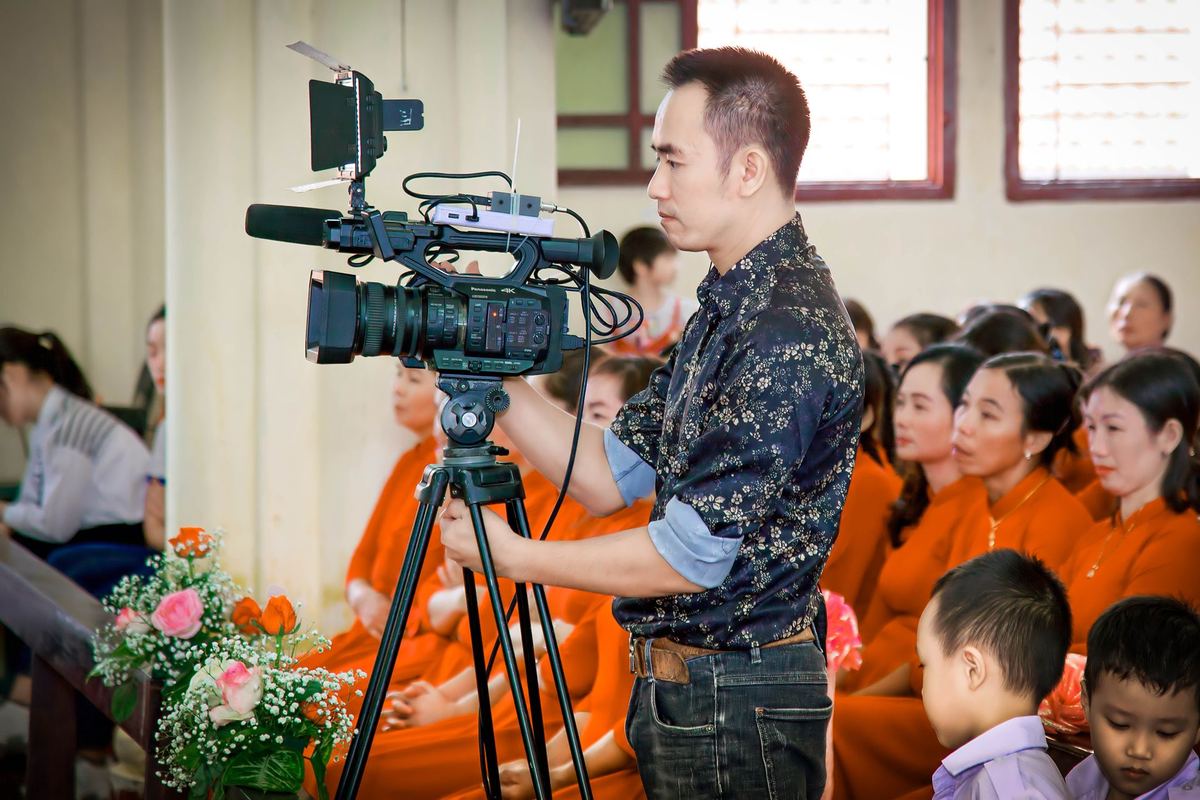
After the Show: Edit While the Leads Are Warm
The week after a show, your sales team is working the lead list. That is when the recap film and the short subject edits earn their cost. A two minute recap gives prospects who stopped by a reminder of what they saw. It gives the larger group who registered but never attended a reason to take the follow up call. Short cuts of single products or single answers give sales staff something useful to send instead of a brochure attachment.
Speed matters here, and it is a production choice, not an editing trick. Footage logged and labeled during the show can be edited in days. Footage dumped on a drive cannot. Our post on 24 hour Video Production covers how fast turnaround is planned from the start. The same thinking applies to a show recap with a fixed follow up window. These edits also join your standing sales library alongside your corporate and B2B Video Production material, so the work keeps serving sales meetings long after the booth is in storage.
What One Trade Show Video Production Should Deliver
- A silent friendly booth loop, captioned, built from plant footage.
- Short invitation and product cuts for use before the show.
- A recap film, edited within the follow up window.
- Interview clips with releases logged, ready for testimonial use.
- Still photographs of the booth, the team, and the demonstrations.
If a quote for trade show coverage lists only a highlight film, ask what happens to the before and after work. Those two phases are where the booth investment is either extended or lost.
Start a Conversation
Red Passage is a Georgia based visual communications studio in Newnan. We produce Video Production and photography for manufacturers and industrial companies, including the operations work described on our industrial, manufacturing and logistics Video Production page. If your company exhibits this year and the video plan is still an afterthought, Start a Conversation before the booth ships, not after.