Every operations manager knows the scene. A safety video starts, the room goes quiet in the wrong way, and within a minute half the crew is looking at the floor. The problem is rarely the crew. It is the video: generic footage shot in someone else’s facility, a narrator reading policy language, and not one task the people in the room actually perform. Training like that gets signed off. It does not get remembered.
Safety training video production works when it starts from the opposite end. Film your floor, your equipment, and your procedures, in short pieces a crew can absorb, and the material earns attention because it is plainly about their work. This post covers what makes crews watch, how to plan the filming, and where video helps and where it does not. The service overview is on our training and educational Video Production page.
Start With the Tasks, Not the Policy
A safety policy is written for the record. A training video is made for the person doing the task. The two should agree, but they should not sound alike. Build each video around one job: the forklift pre-shift check, the lockout steps for one machine, the correct lift at the packing station, the pedestrian route through the dock area. One video, one task, shown in the order the work happens.
Short is not a style choice here. It is how the material gets used. A supervisor can play a three minute module at a shift start without losing the room. A new hire can watch the same piece twice on their first day and again in their first week. A single forty minute film covering the whole handbook will be played once, under obligation, and avoided after that. If your current material is one long film, splitting it into modules is usually the first and cheapest improvement available.
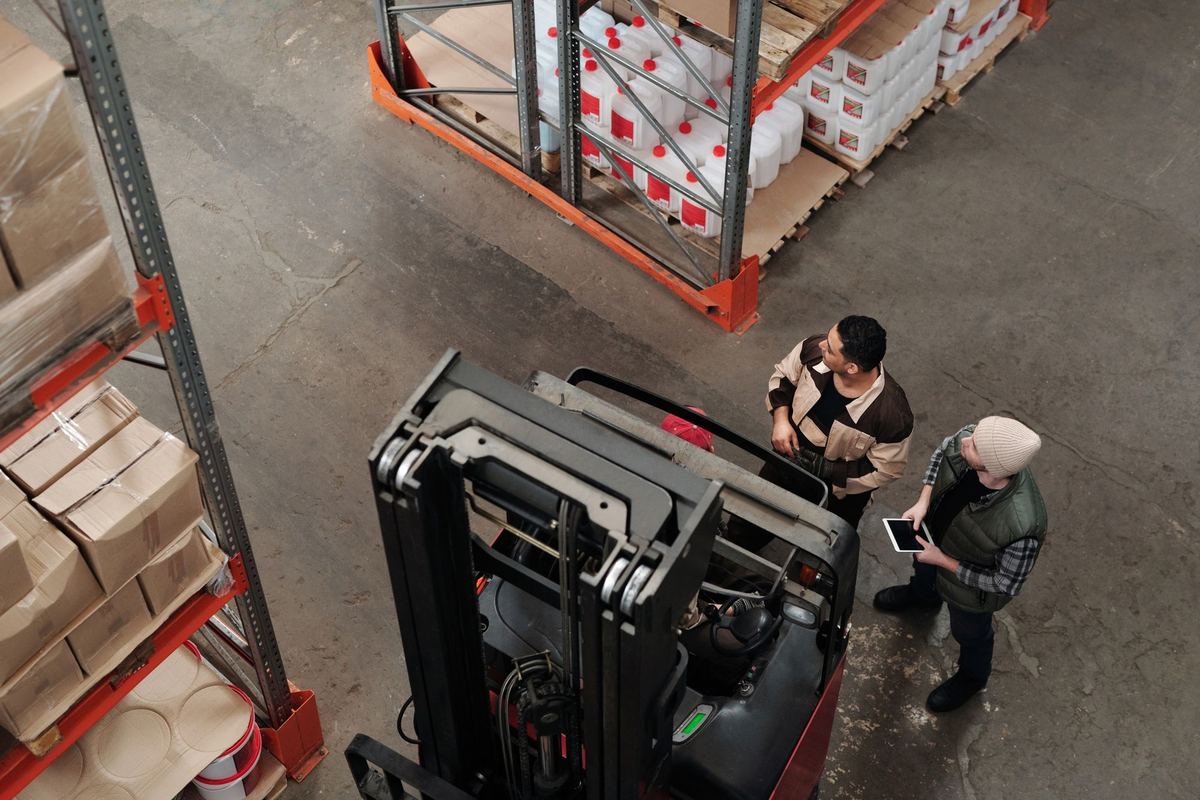
Safety Training Video Production Works Best Where the Work Happens
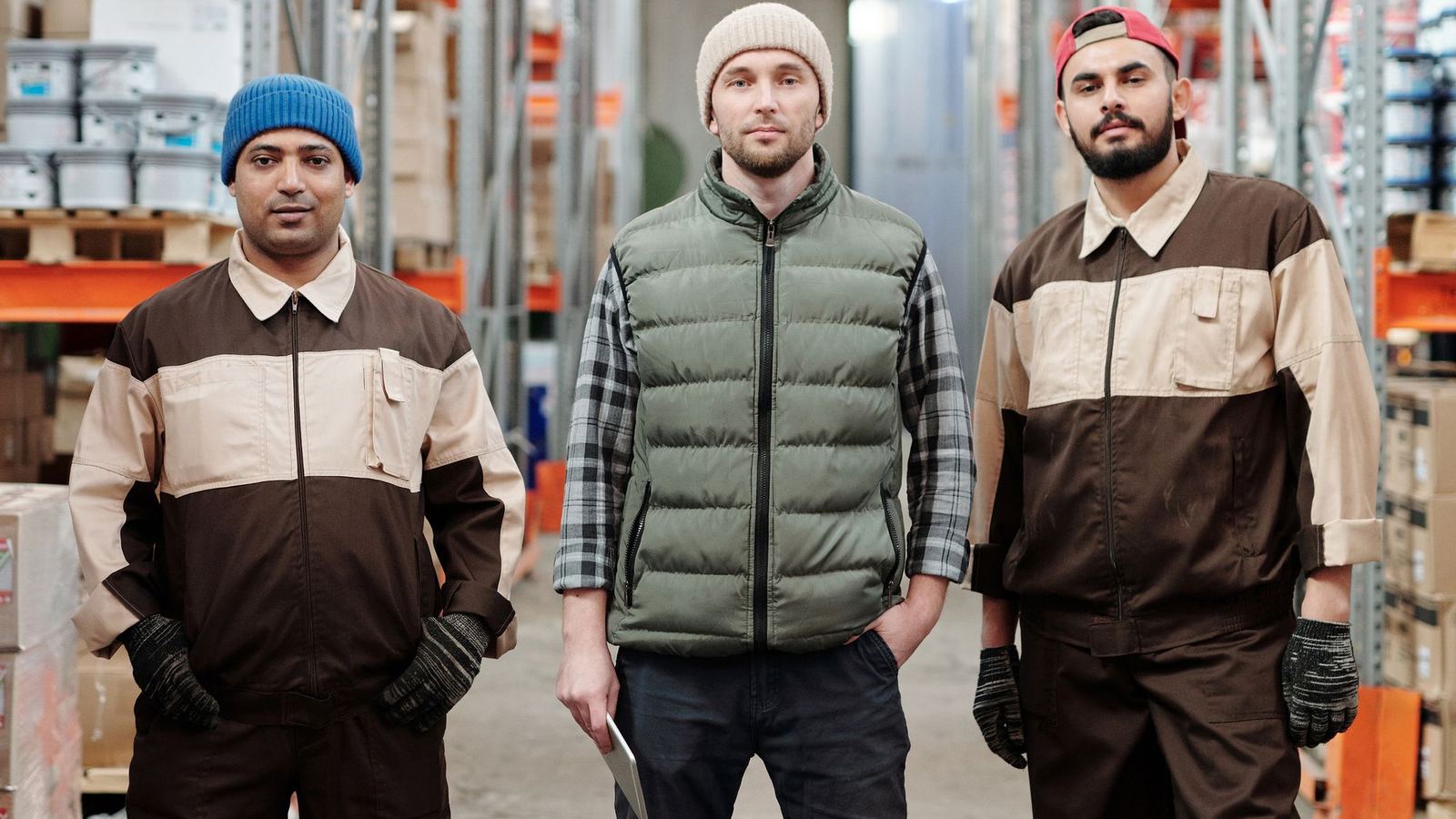
Crews can spot stock footage instantly, and they discount it just as fast. A warehouse worker watching a model facility with different racking, different scanners, and different dock doors learns one thing: this was not made for them. Filming on your own floor removes that distance. The trainer in frame is the person the crew already knows. The equipment is the equipment they will touch an hour later. The hazard being pointed out is the one at the end of their own aisle.
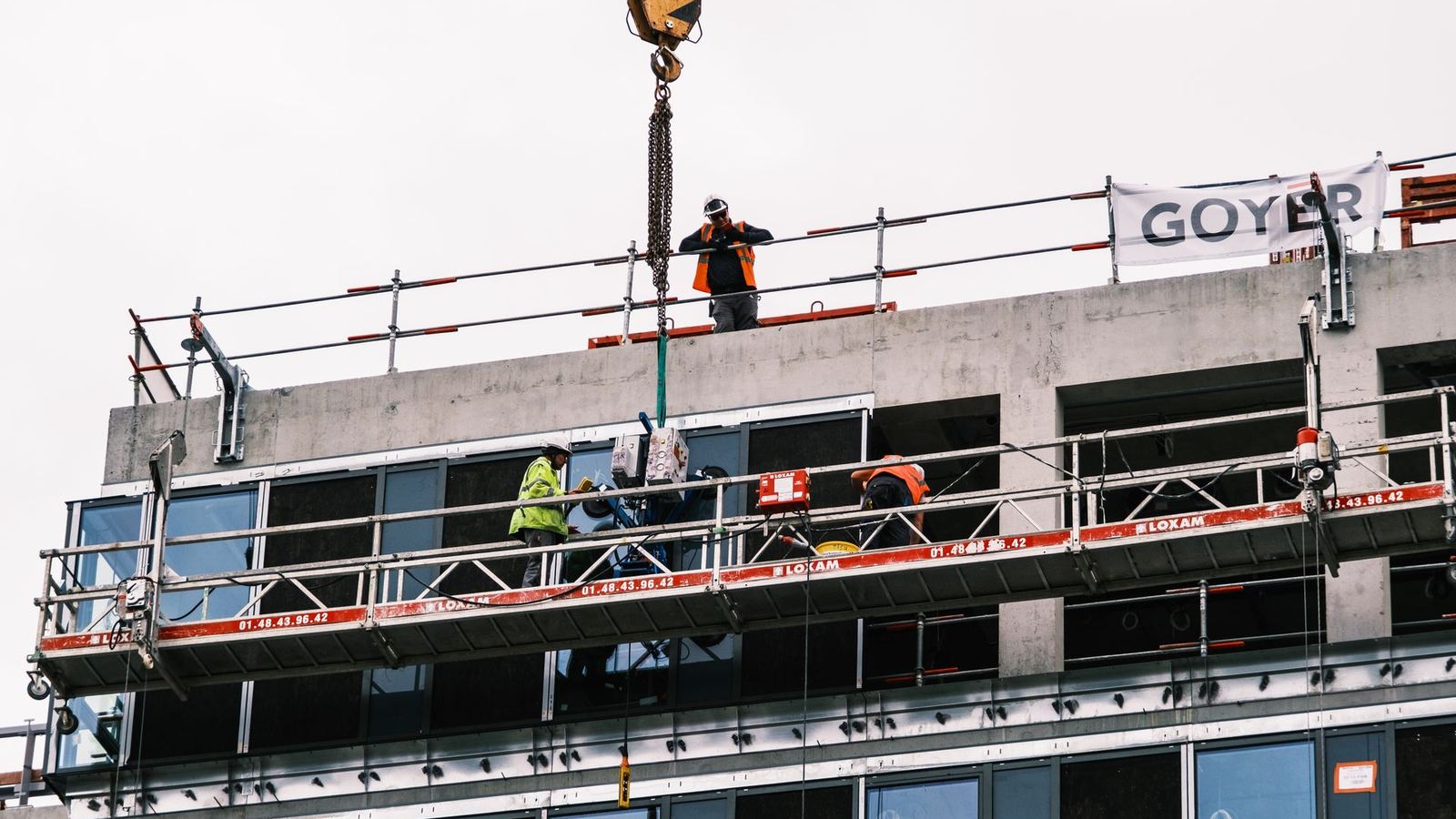
The same logic applies across industrial settings. Our industrial Video Production work and our construction video and photography work both start from the real site, because the site is what makes the material credible. For orientation material, a short distribution center video tour filmed for new hires does double duty: it teaches the layout and the safe routes through it at the same time.
Language and Captions Are Part of the Safety Case
A training video only works in a language the viewer fully understands. Many Georgia warehouse and plant crews work in Spanish, work in English, or move between the two across a shift. If your crew includes Spanish speakers, the Spanish version is not a courtesy extra. It is the version that carries the safety content for part of your team. Record it properly, with a fluent presenter or voice, as we argued for crew communication in our post on the bilingual video production crew.
Captions matter for a different reason. Training rooms are noisy, break rooms are noisier, and much onboarding material is now watched on a phone or a shared screen with the volume low. Accurate captions in the same language as the audio make the material usable everywhere it is likely to be played.
Plan the Shoot With Your Safety Lead, Not Around Them
The safety manager or trainer should be in the planning from the first call, for two reasons. First, accuracy. The steps on camera have to match the steps in your written procedure exactly, in the right order, with the right protective equipment worn correctly in every shot. A video that shows a shortcut teaches the shortcut. Second, scheduling. Filming a task demonstration takes longer than doing the task. Plan it outside peak work, agree who demonstrates, and build the shot list with the same written discipline we recommend in our warehouse photo documentation checklist.
Keep the rules of the floor in force during filming. The crew wears what the crew wears. Visitors follow the site briefing. Nobody performs a task unsafely to get a clearer angle, and if a shot cannot be made safely, it gets made another way or not at all.
A video that shows a shortcut teaches the shortcut.
What Video Can and Cannot Do
Honesty matters in this category. A good training video supports a safety programme. It does not replace hands-on instruction, supervised practice, or the judgment of your own safety team, and no video on its own changes what happens on a floor. What it does well is make the standard consistent. Every shift, every site, and every new hire gets the same demonstration, delivered the same way, instead of depending on who had time to explain it that day. It also gives your trainers their time back: the repeatable parts are on video, so the people can spend their time on questions and practice. That consistency is also why the material belongs with your wider crew communication, including the recruiting side we covered in recruiting videos for construction companies: candidates notice when a company trains properly.
Plan for updates when you plan the shoot. Processes change, equipment changes, and a video showing the old machine stays in circulation longer than anyone intends. Keep the project files, note what each module covers, and review the set when procedures change. Short modules pay off again here: you reshoot one task, not the whole library.

What You Should Receive
- A set of short modules, one per task, named plainly so a supervisor can find the right one fast.
- Captioned versions, plus Spanish versions where your crew needs them.
- Files sized for your training room screen, your intranet, and phones.
- A simple index of what each module covers, so updates are easy to plan.
Start a Conversation
Red Passage is a Georgia based visual communications studio in Newnan. We produce training, facility, and crew communication video for industrial and logistics operations, alongside our commercial Video Production work. Our founder brings 13+ years of production experience, including 450+ live productions where planning and reliability under one-take conditions were the job. If your safety material needs to be filmed on your floor, in your crew’s languages, Start a Conversation.