Every hospital and clinic in Georgia is hiring from the same pool of nurses. The job postings all read the same. Same shift descriptions, same list of requirements, same paragraph about a supportive team. A nurse reading ten of those postings in one evening has no way to tell the units apart, and no reason to pick yours.
A healthcare recruiting video does one job a posting cannot. It shows the actual place and the actual people. This guide covers what to film, who should be on camera, and the mistakes that make recruiting videos sound like every other employer pitch. The full service overview is on our healthcare and medical Video Production page.
A healthcare recruiting video does one job a posting cannot.
What Nurses Are Actually Deciding
An experienced nurse is not just comparing pay. She is deciding where she will spend twelve-hour shifts, who will be on the floor with her when a shift goes sideways, and whether the manager on the unit runs things well. A posting cannot answer any of that. Video can, if the right people are on camera.
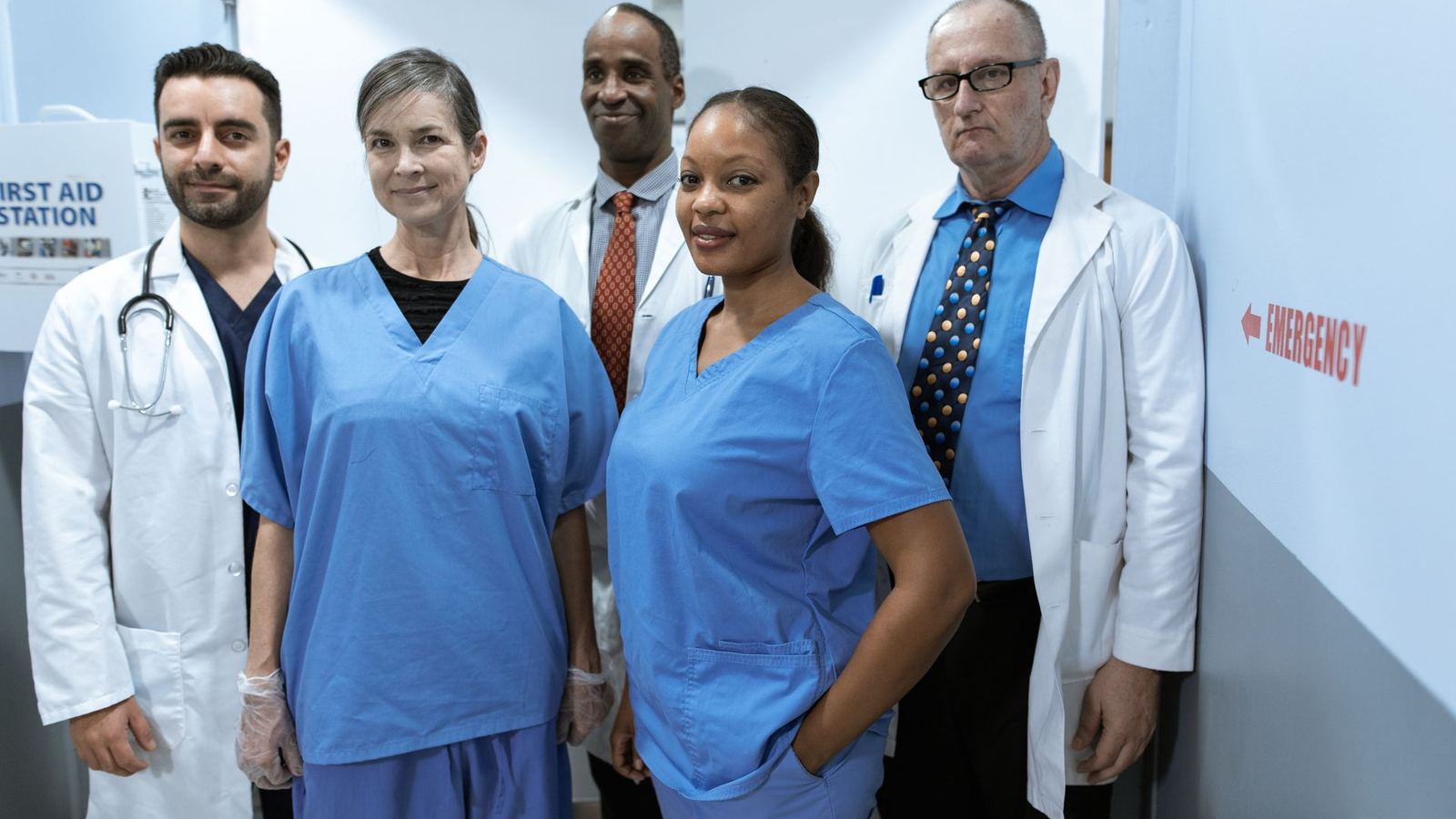
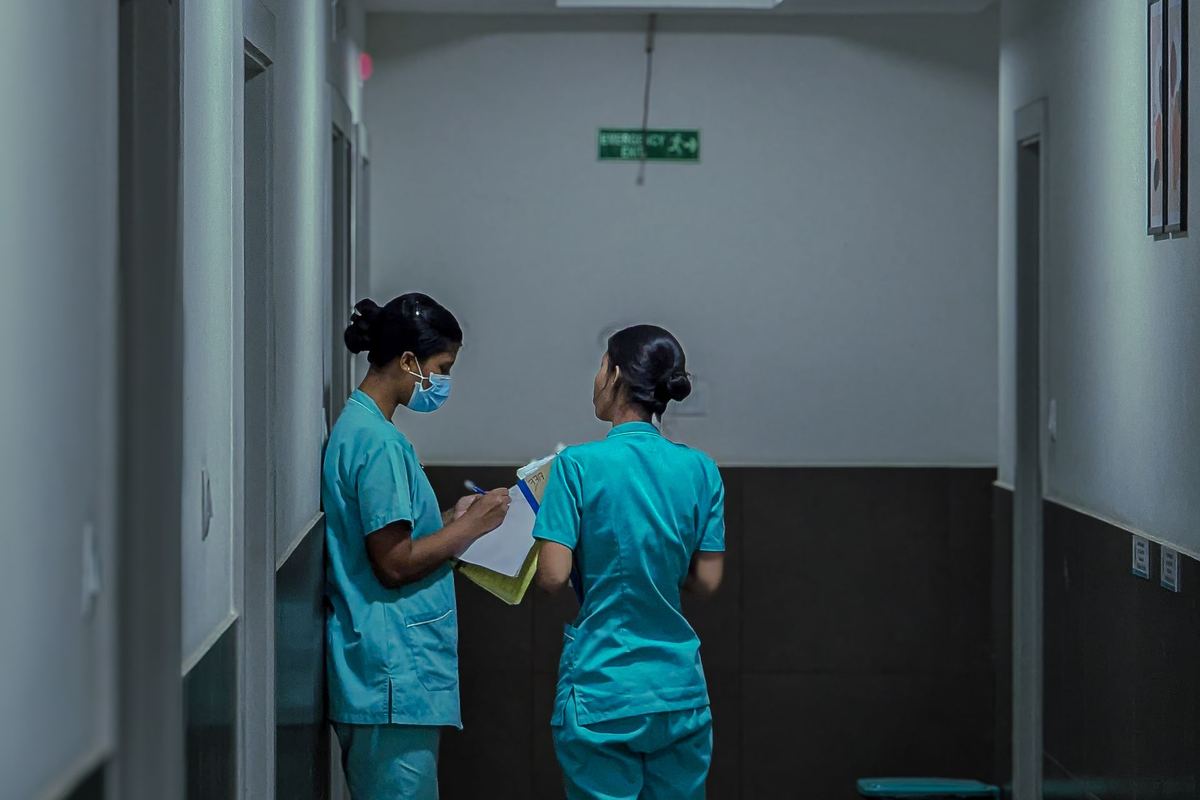
That means staff nurses, not only executives. A charge nurse describing how the unit handles a hard night tells a candidate more than any administrator describing culture. A short word from the nurse manager about how scheduling requests are handled answers a question every nurse has and few postings address. Keep these interviews plain. Candidates in healthcare have heard polished employer language before, and they discount it.
What to Film on a Recruiting Shoot
- Real staff interviews. Nurses, techs, and support staff talking about the work in their own words. Short answers are fine. Specific answers are better.
- The unit itself. The floor, the break room, the supply setup, the details a nurse will live with every shift. A guided walk works the way any good facility video tour works: it lets a candidate picture herself there before she ever applies.
- The team together. A huddle, a handoff, colleagues helping each other. Candidates watch for how people treat each other when nobody is performing.
- Staff stories in full. Some interviews deserve their own cut. Those belong with testimonial and documentary video, edited as individual stories rather than folded into one long piece.
- The building and the area. Parking, entrances, and the neighborhood matter to someone choosing where to work. Show them plainly.
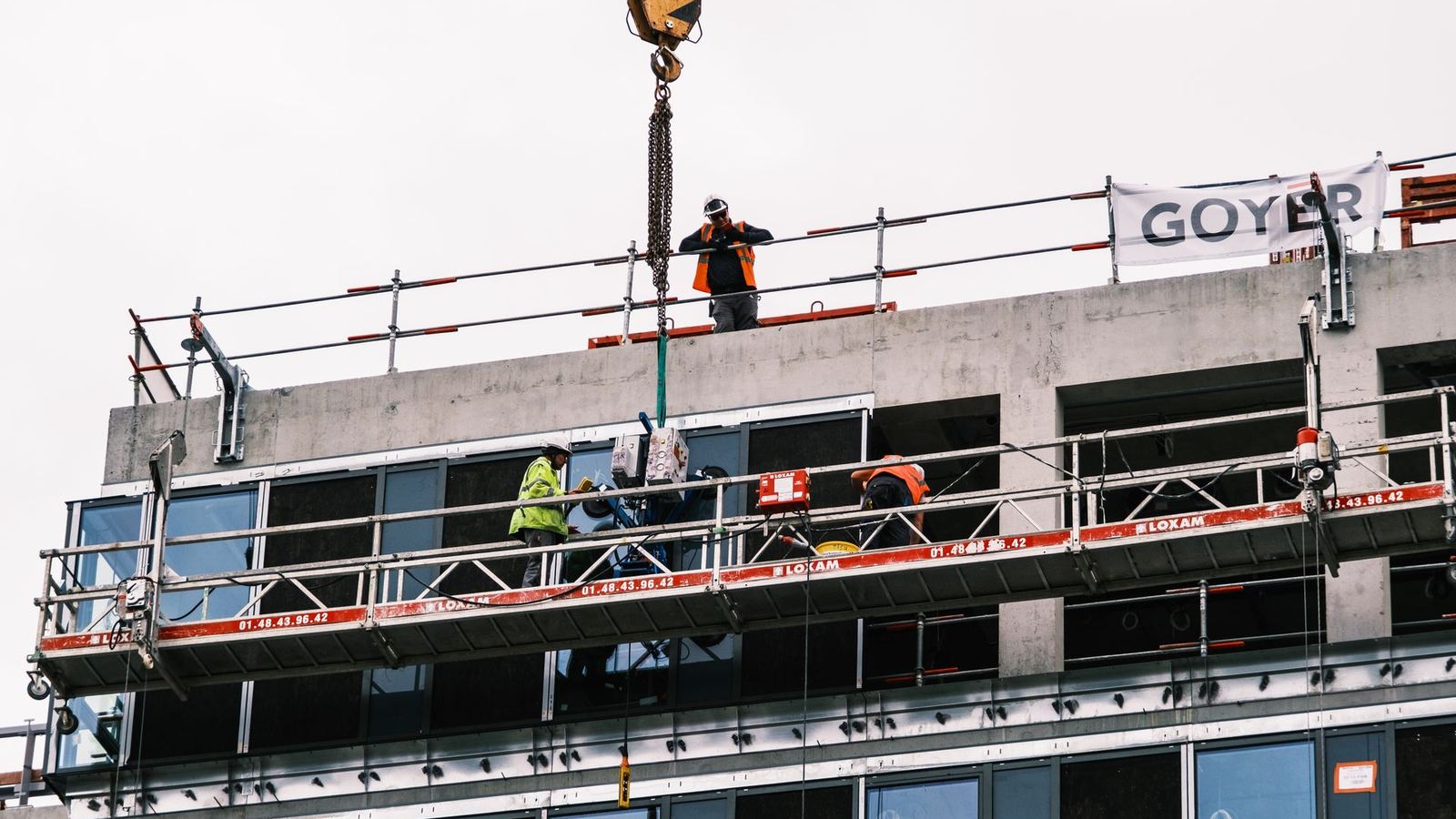
The same discipline applies in other hard hiring markets. Our post on recruiting videos for construction companies makes the same point for a different workforce: real people and real working conditions carry the message, scripts do not.
Honesty Is the Whole Point
A recruiting video that oversells the job creates a second problem. The nurse you hire under a false picture leaves, and you are recruiting again. Film the job as it is. If the unit is busy, say it is busy, and show how the team handles it. If the shift is hard, let a nurse explain why she stays anyway. That kind of answer is believable because it costs the speaker something to say it.
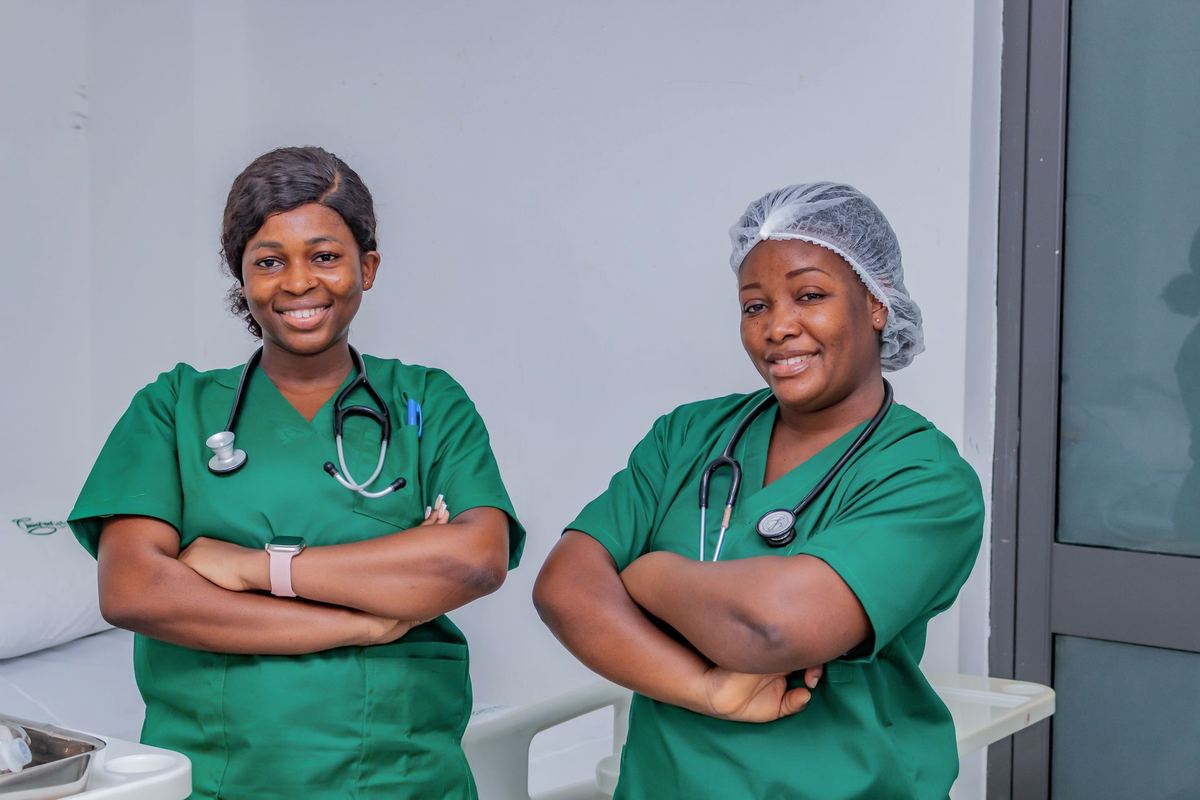
Avoid stock footage of smiling models in scrubs. Candidates spot it at once, and it tells them the organization would rather rent an image than show its own staff. Your own people, in your own building, are the only footage that proves anything.
One Shoot Should Feed Several Uses
Plan the shoot so the material works in more than one place:
- A main recruiting video for the careers page.
- Short staff clips for job postings and social channels.
- A version for hiring events and career fairs, where event Video Production material can run on a screen behind your recruiters.
- Footage that doubles as an introduction for new hires, which connects to the material covered on our training and educational Video Production page.
Nursing teams in Georgia are not all first-language English speakers, and neither are many of the staff your candidates will work beside. If your workforce is partly Spanish speaking, plan for it on camera. Our post on hiring a bilingual video production crew explains why recording the Spanish version at the shoot beats adding it later.
Speed matters here too. A hiring push tied to a new unit opening or a staffing contract has a fixed start date. Agree the delivery window before the shoot, a point we covered in our post on 24 hour Video Production.
Questions to Ask Before You Film
- Who picks the staff who appear on camera, managers or volunteers?
- Where in the building can a crew film without recording patients?
- Who approves the final cut, and does nursing leadership see it before human resources?
- Are captions included on every version?
- Can the same interviews produce both the careers page video and the short clips?
Start a Conversation
Red Passage is a Georgia visual communications studio based in Newnan. We produce commercial Video Production and photography for organizations that need to show how they actually work, including corporate and B2B Video Production for employers presenting themselves to a professional audience. The studio founder brings 13+ years of production experience and a background of 450+ live productions, where there is one chance to get the take right. That discipline is useful on a hospital floor. You can read more in the creative background behind Red Passage. If your organization is planning a healthcare recruiting video, Start a Conversation and tell us which roles you are trying to fill.