Before a buyer visits your plant, they visit your website. The photographs there decide what they expect to find: a serious operation with capacity and control, or a company they need to double check.
Industrial photography is not a favor for the marketing folder. It is part of how a manufacturer gets shortlisted. Procurement teams, OEM buyers, and site selection staff all read facility photos the same way. They look for scale, order, maintained equipment, and people who know their jobs. This guide is the shot list behind that judgment, and how to plan a shoot that covers it in one visit. For the service itself, see our industrial, manufacturing, and logistics Video Production page, which covers photography alongside film work.
They look for scale, order, maintained equipment, and people who know their jobs.
The Wide Shots: Prove Scale First
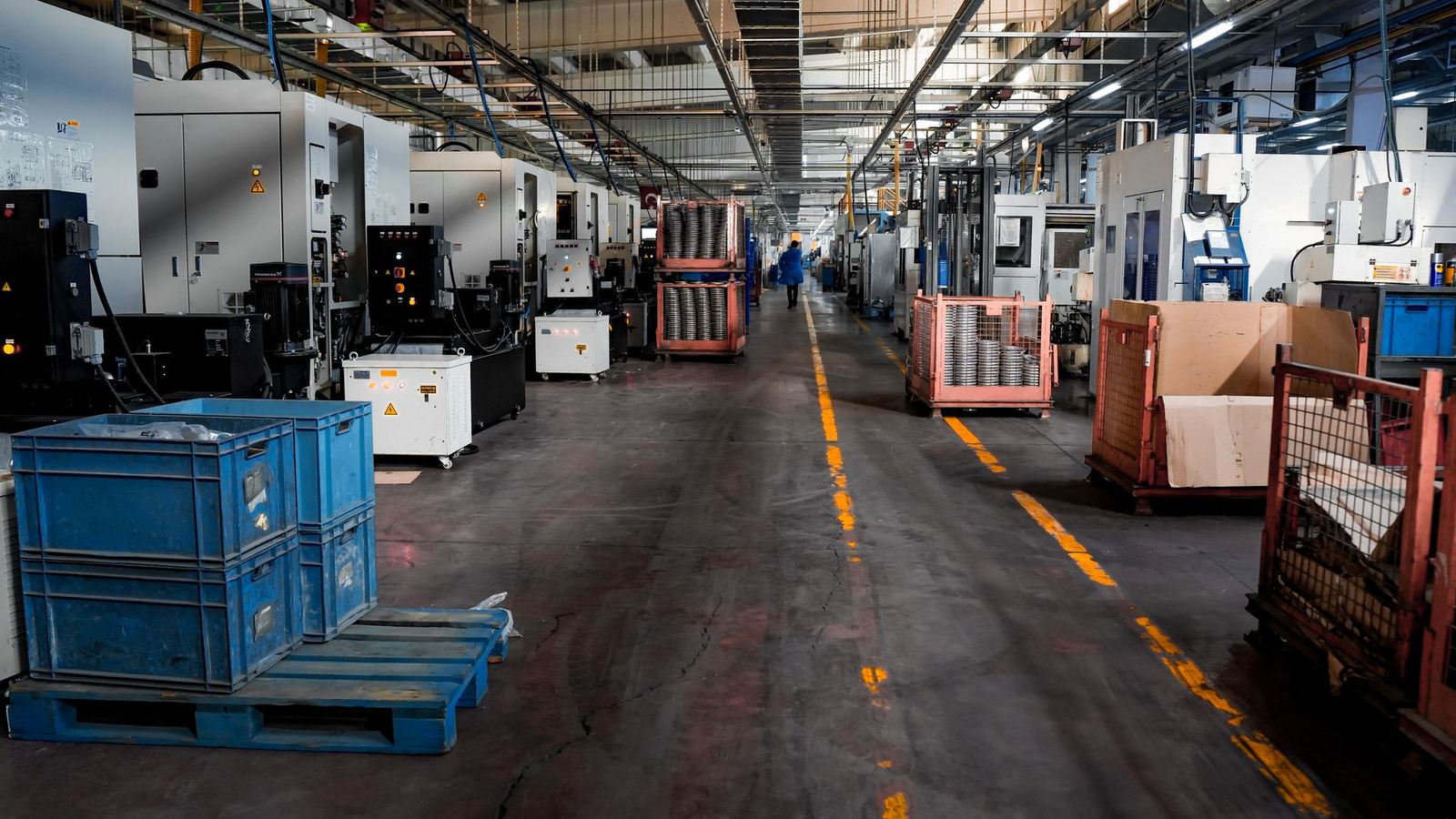
Every industrial shoot starts wide. Buyers want to see the size of the operation before they study the details:
- The full production floor from a high position, showing lines in operation.
- The exterior of the facility, clean and in good light, with signage visible.
- Warehouse and staging areas, organized and full, not empty and echoing.
- Aerial views where permitted, showing the site, truck access, and room to grow.
Wide shots carry your capability statement, your proposals, and your trade show booth. They are also the hardest to fake, which is exactly why buyers trust them. Aerial work has its own rules and limits, and our post on drone photography for warehouses covers what is actually allowed around an industrial site.
The Line at Work: Show the Process in Order
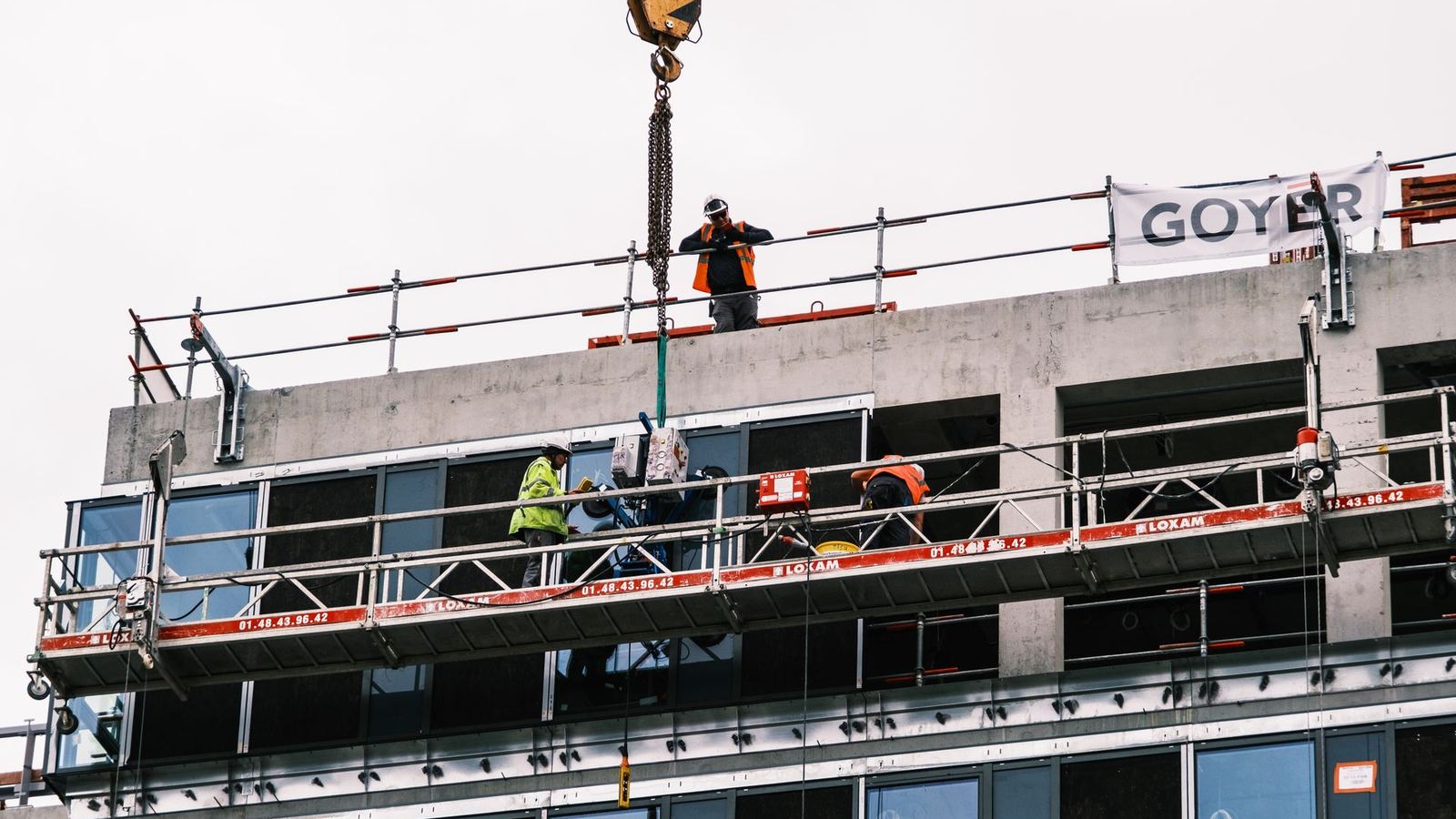
Next, photograph the work itself, in the order it happens. Raw material arriving. The first operation. Assembly or processing. Inspection. Packing and outbound staging. A buyer following that sequence in photos understands your process without a phone call, and questions on the call get sharper because of it.
This sequence is also where a Commercial Photographer earns the fee. Anyone can photograph a machine. Showing a process means knowing where to stand so the operator, the part, and the equipment read clearly in one frame, and doing it without slowing the line down. Our warehouse photo documentation checklist sets out the same discipline for distribution facilities: planned positions, consistent coverage, nothing left to chance on the day.
The standard behind this work at Red Passage comes from production that includes logistics operations involving BMW, Dell Technologies, and Scania, arranged through Syncreon in the United States and Brazil. Large, busy facilities do not stop for a photographer. The work has to be planned around the operation, and the shot list is what makes that possible.
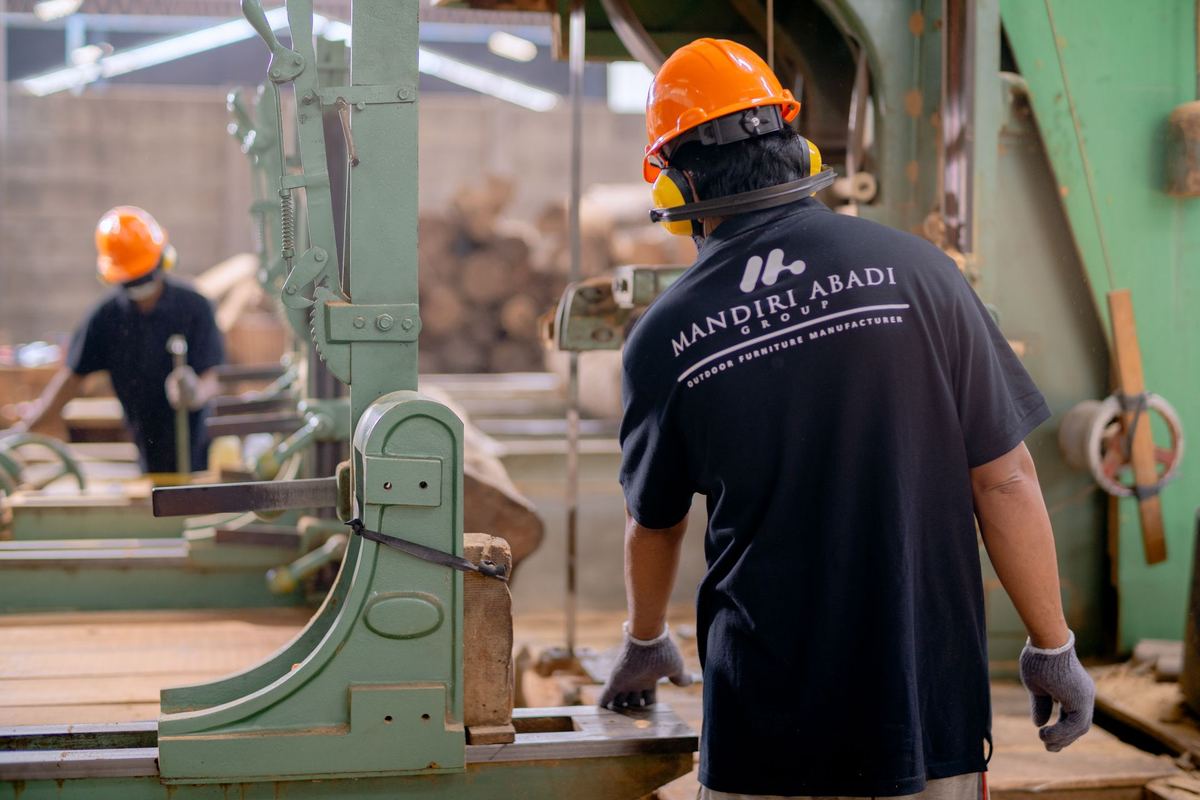
People and Detail: Where Credibility Lives
Buyers believe people and details. Photograph operators at their machines, inspectors at their benches, engineers reviewing a part together. Faces should be working faces, not posed ones. A short conversation with each supervisor before the shoot gets cooperation that no schedule can force.
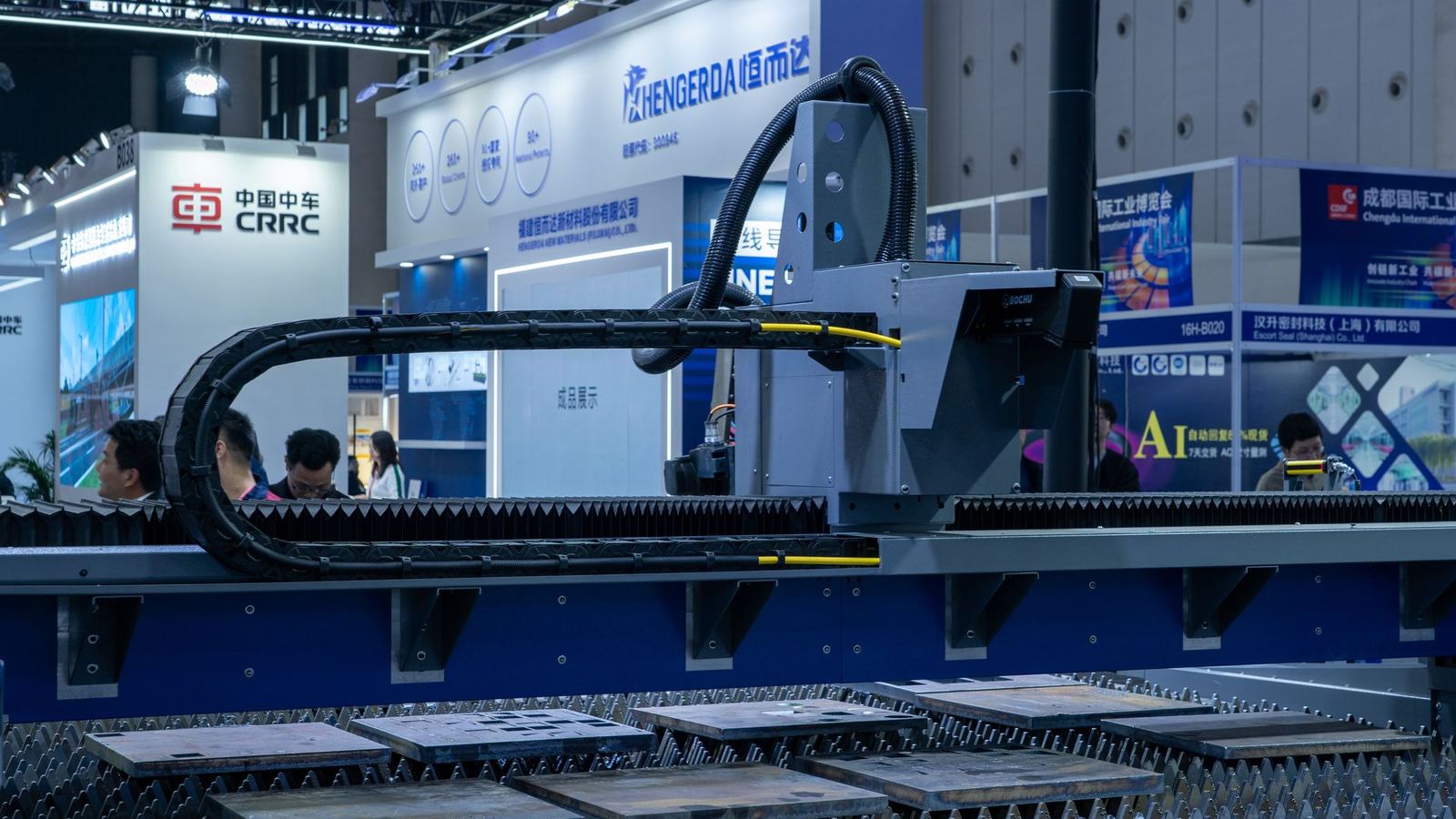
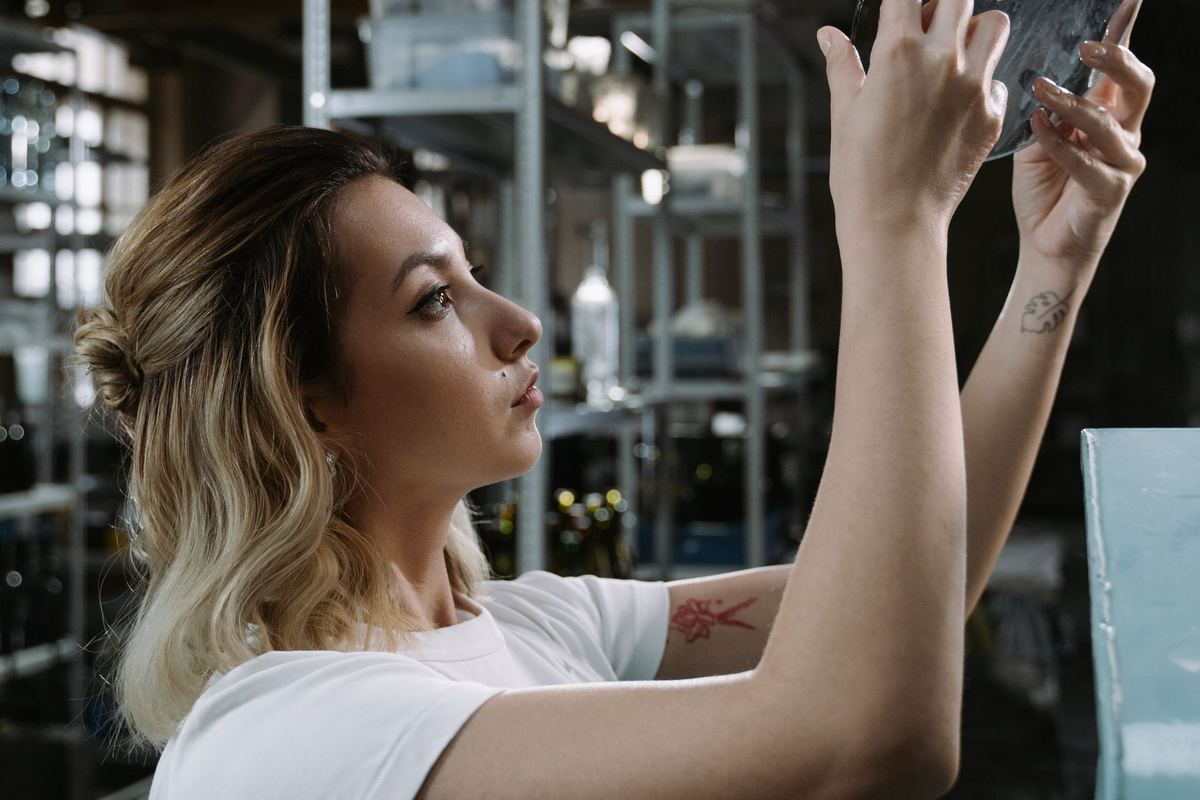
Then go close. Machined surfaces. Calibrated instruments. A clean weld. Labeling and traceability marks. Finished product ready to ship. Detail shots prove the quality claims your wide shots make, and they work hard in proposals and on product pages. That connects directly to product Video Production and still work, where a single part often has to carry the whole argument. For facilities where the building itself is the subject, our commercial real estate and architectural photography page covers the related discipline.
Plan the Shoot Around Production, Not Around the Camera
A working plant sets the schedule. Plan the shoot in this order:
- Agree the shot list with operations, and mark anything that cannot be photographed.
- Schedule around the line: photograph each area when it is running, not when it is convenient to walk through.
- Handle safety and access first: PPE, escorts, restricted areas, and any client confidentiality rules.
- Shoot the wide views early, while the floor is fully staffed, and details after.
- Review key frames on site with your contact, so a missed shot is fixed the same day.
Still photography and video should be planned together when both are needed. A camera position that works for a photograph usually works for a short film sequence an hour later, and one planned day costs the operation less than two separate visits. Our distribution center video tour post and our guide to Video Production for logistics companies show how the moving version of the same coverage gets used.
Use the Photographs Where Decisions Happen
A finished set should be delivered organized by subject, sized for web and print, and ready for the places buyers actually look: your capability pages, proposals, trade show displays, recruiting material, and press requests. Large format use is not an afterthought. Work printed at full wall scale has to be shot for that purpose from the start, a standard we work to on projects such as the permanent photographic installation at the Savannah Convention Center.
Start a Conversation
Red Passage is a Georgia based visual communications studio in Newnan. We provide commercial Video Production and industrial photography for manufacturers and logistics operations that need to be believed at a glance. If your website still shows an empty floor and a stock photo, your buyers have noticed. Start a Conversation and bring us your current shot list, or we will build one with you.