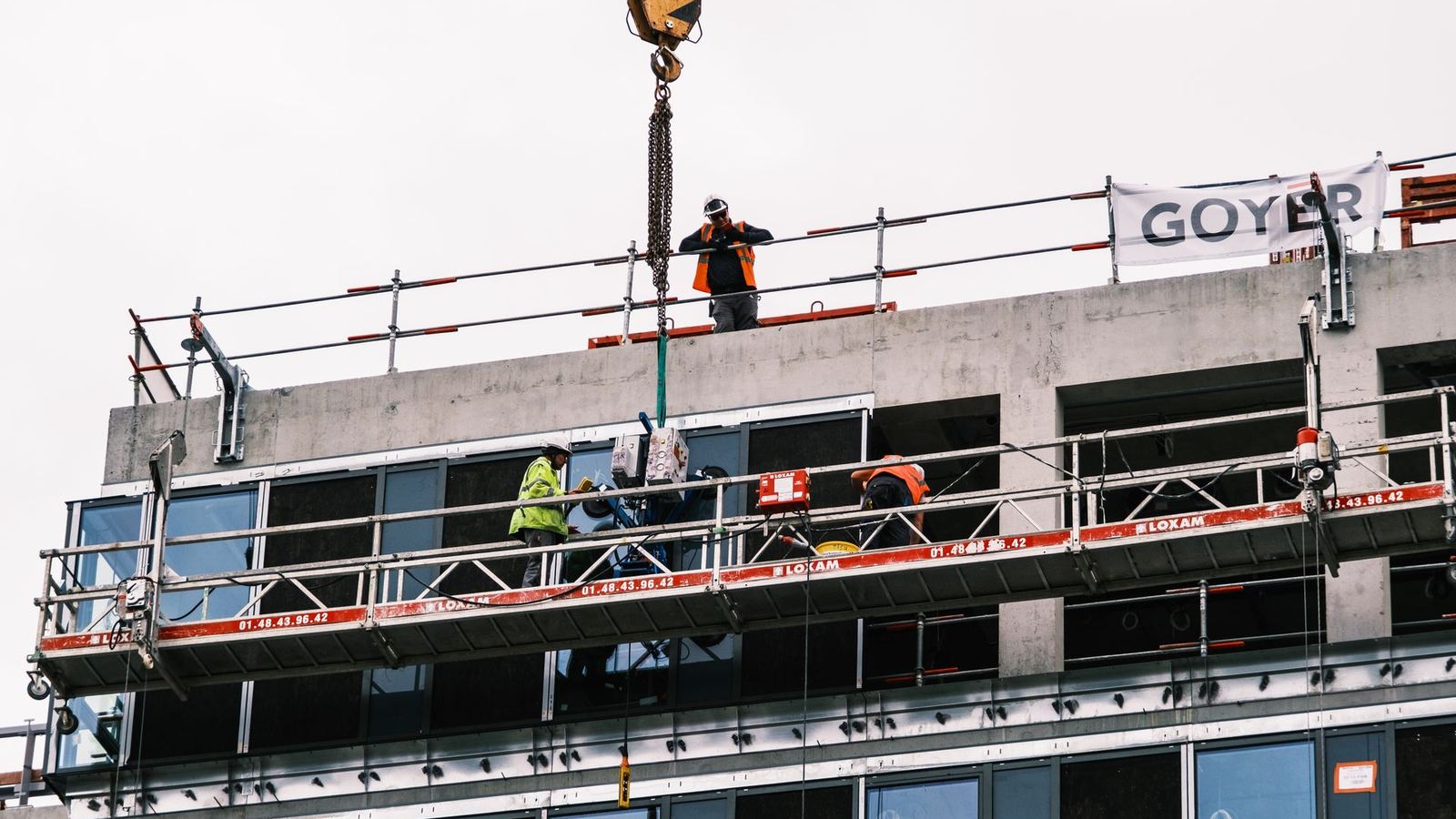
Every trainer knows the cost of the first week. The same safety basics, the same systems walkthrough, the same explanation of how the building works, delivered again for every new hire, differently each time depending on who is giving it. The information that matters most to a new employee is often the information delivered with the least consistency.
Employee onboarding videos do not replace a trainer. They carry the repeatable parts of the job, the parts that should be said the same way every time, so live training time goes to hands-on work and real questions. This guide covers what belongs on video, what should stay live, and how to build a set of videos that stays useful after the first round of hires. The service overview is on our training and educational Video Production page.
Video handles repetition. People handle everything else.
What Belongs on Video, and What Does Not
Put on video anything that is identical for every new hire:
- The welcome and the basics. Who the company is, how it started, and what it expects. That company introduction sits naturally next to corporate brand and storytelling Video Production, because a new hire should hear the company story told well, once.
- Safety fundamentals. Rules, protective equipment, reporting steps. These need to be worded carefully and delivered word for word, every time.
- Facility orientation. Where things are, how access works, where to go on day one. A distribution center video tour made for customers can often be adapted, but new hires need their own version, filmed from the employee entrance, not the front door.
- Standard procedures. The steps of a task, filmed at the workstation, that a new hire can watch again on the second day without stopping a colleague.
Keep live anything that depends on judgment or relationship: mentoring, feedback, role-specific coaching, and any topic where a new hire needs to ask questions and be heard. Video handles repetition. People handle everything else.
Consistency Across Shifts and Sites
The real problem video solves is drift. A procedure explained on the day shift is not always the procedure explained on nights. A second location develops its own version. Documented standard work is the fix, and it is the same discipline behind a written warehouse photo documentation checklist: agree the correct version, record it once, and let every site work from the same source.
This matters most in operations with several facilities or high turnover. Georgia warehouses, plants, and distribution operations along the I-85 corridor hire constantly, and our industrial and manufacturing Video Production page covers how those operations present training and facility material together. One approved set of onboarding videos means a hire in Newnan and a hire in another Georgia facility hear the same standards on day one.
Language, Captions, and Watching on the Floor
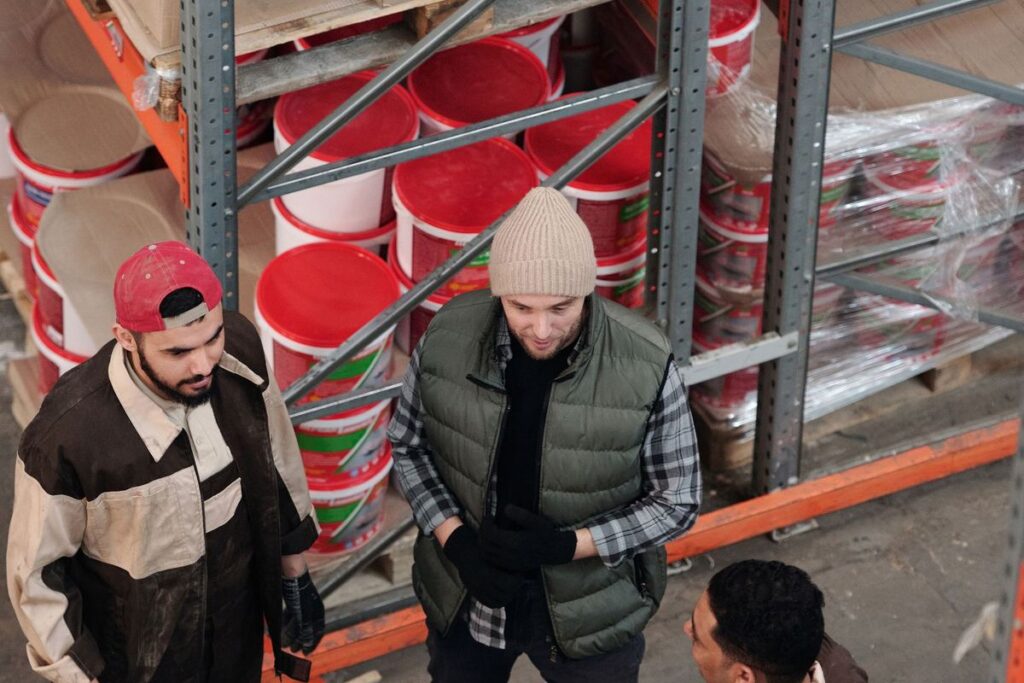
Many Georgia operations run with a mixed English and Spanish speaking workforce. An onboarding video that only exists in English leaves part of the crew to get the safety message secondhand. Record the Spanish version at the same shoot, with the same care, for the reasons set out in our post on working with a bilingual video production crew.
Captions are equally basic. Videos get watched in break rooms, on phones, and in offices with the sound down. Every module should carry accurate captions, and the files should be delivered in versions that work wherever your company actually plays them: intranet, learning system, or a screen in the training room.
Build Modules You Can Update
Processes change. If your onboarding material is one long video, a single changed procedure means reshooting the whole thing. Build it as short modules instead: one topic per video, each a few minutes long. When a procedure changes, you replace that module and leave the rest alone.
Keep the original project files and a written list of what each module covers and when it was recorded. Treat the set like any other operating document, reviewed when the process changes, not when someone notices a new hire was taught an old step.
Check the Result in the Training Room
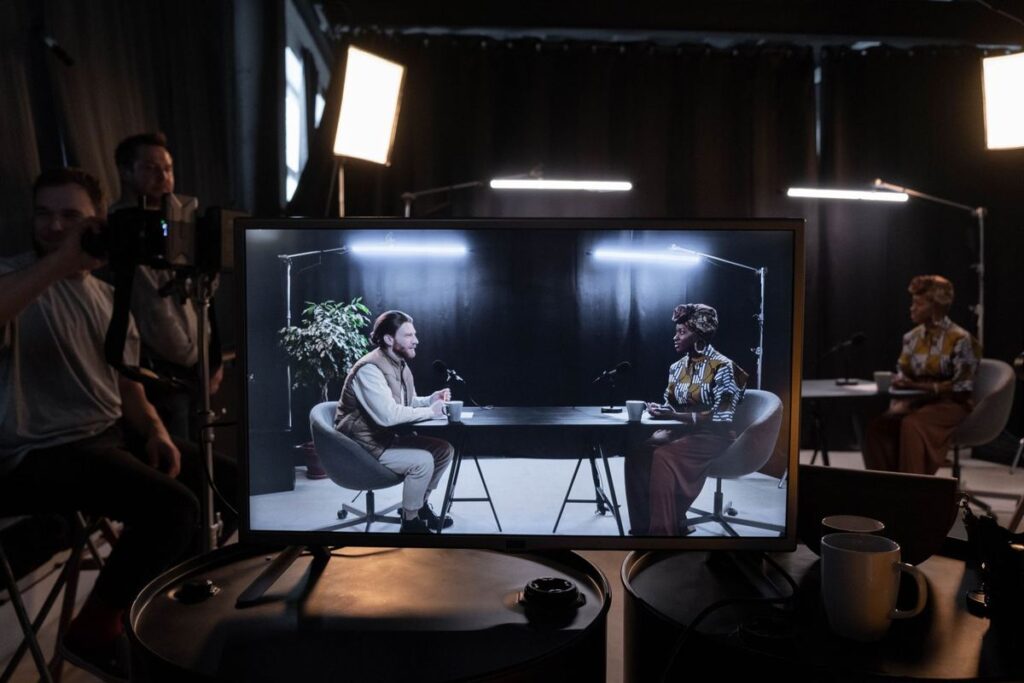
You will know the videos are doing their job by what trainers stop repeating. During the first months, keep a simple note: which questions new hires still ask, and which steps still get explained live every single time. Those notes tell you which module needs a clearer take and which topic is missing from the set. Update that module only, and leave the rest of the set alone. Onboarding material reviewed this way stays current, instead of aging quietly until nobody in the building trusts it anymore.
What a Finished Onboarding Set Looks Like
- A welcome video from leadership, short and plain.
- Safety and facility modules, captioned, in every language your workforce uses.
- Procedure modules filmed at the workstation.
- A closing module on who to ask for help, and how.
- All files named, dated, and listed in a simple index your trainers can use.
Start a Conversation
Red Passage is a Georgia visual communications studio based in Newnan. We produce commercial Video Production and photography for organizations with real operations to show, including corporate and B2B Video Production for company introductions and internal communication. The full range is on our services page. If your trainers are spending their week repeating the same first-day material, Start a Conversation and tell us what the first week looks like now.