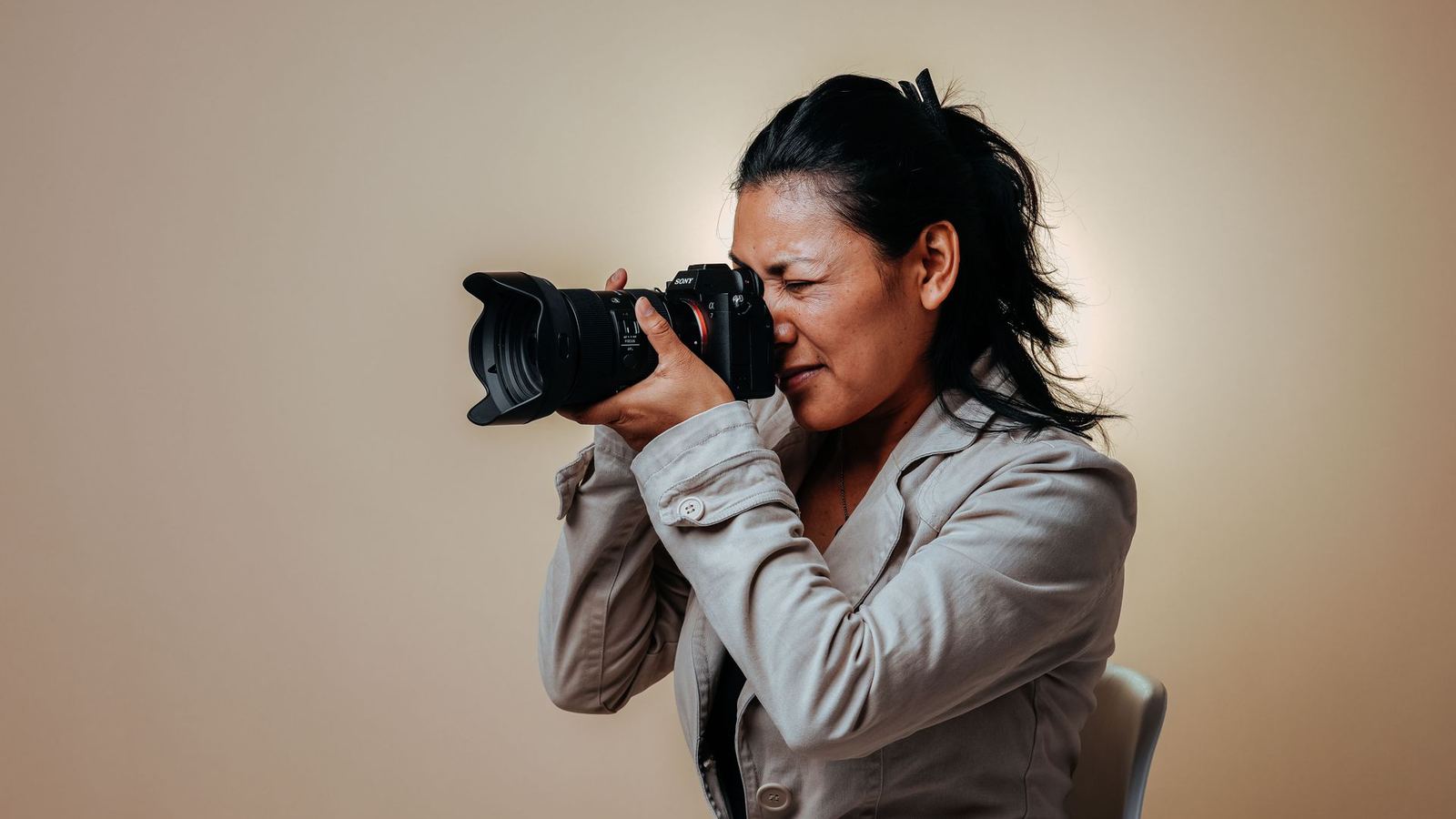
Open the team page of almost any company and you can read its hiring history in the portraits. The founder has a polished studio headshot. The sales lead has a crop from a conference photo. Two managers have gray backgrounds that match nothing else. The newest hire has a phone picture taken against an office wall. Nobody decided to make it look that way. It happened one person at a time, over years.
A single planned session fixes it. Every employee photographed the same way, in the same light, delivered in the same sizes. This guide covers how to plan that session for a whole company: the style decisions to lock first, how to schedule staff without losing a workday, and what to ask for in the final files. It sits alongside our commercial Video Production work, because most companies solve their headshots and their company video in the same project.
Nobody decided to make it look that way. It happened one person at a time, over years.
Decide the Look Before Anyone Sits Down
Consistency comes from three decisions made before the shoot:
- Background. A plain studio background, your actual office, or an outdoor setting near the building. Each reads differently. A plain background is the safest choice for a company that will add hires over time, because it can be matched later.
- Crop and framing. Head and shoulders is the standard for directories and profile pages. Decide it once and hold it for everyone, executives included.
- Light and color. Soft, even light that flatters without looking retouched. The finished set should look like one photographer made it on one day, because one did.
Write those decisions down. They become your style record, so a photographer can match the set when five new hires need portraits next quarter. This is the same discipline as a good documentation habit, the habit behind our warehouse photo documentation checklist: agree the standard, record it, and reuse it.

Scheduling a Whole Company Without Losing the Day
The fear with a company-wide session is disruption. It does not have to work that way. A headshot takes minutes per person when the session is organized:
- Build the roster in advance, with names spelled exactly as they should appear in the file names.
- Assign time slots by department, and tell staff their slot a week ahead.
- Give simple wardrobe guidance: solid colors, no busy patterns, the level of formality the company presents.
- Set aside a private corner near the set for a last mirror check.
- Hold two catch-up slots at the end of the day for anyone pulled into a meeting.
Photograph leadership first if the images are tied to a launch or announcement. Everyone else can follow in department order. Staff who are traveling or remote can be photographed on a second short session, matched to the style record from the first.
What People Need to Hear Beforehand
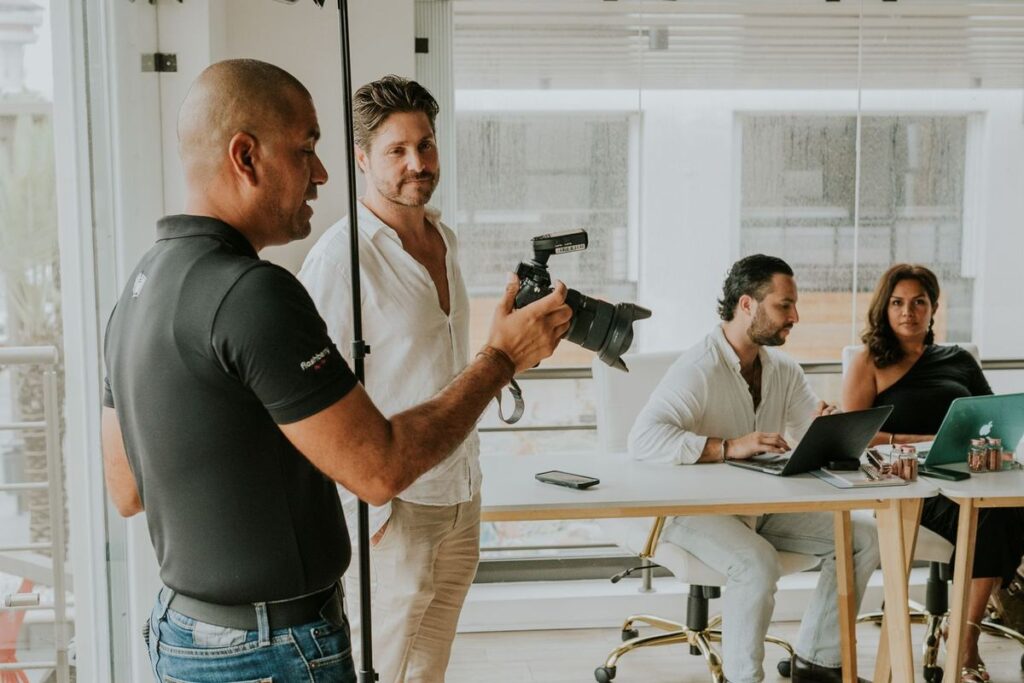
Most employees do not enjoy being photographed, and some are quietly dreading it. A short note before the day helps more than any posing direction. Tell them how long it takes, what to wear, and that they will see their images and pick a favorite from a small set. People relax when they know the plan and know they get a say in the result.
During the session, a good Commercial Photographer works quickly and keeps the direction simple. Small adjustments, a real expression, and the portrait is done before the person has time to get stiff about it. That working manner is part of the product, and it is one reason the background of the person behind the camera matters. We wrote about ours in the creative background behind Red Passage.
What to Ask for in Delivery
- One master file per person, plus web-sized copies for the website and internal directory.
- A consistent crop for profile platforms, so staff are not cropping their own versions.
- File names that carry the employee name, spelled to match your roster.
- The style record: background, lighting notes, and crop, saved with the set.
- A simple process for adding future hires into the same look.
Plan one extra use before the session ends. If leadership also needs portraits for speaking engagements, press requests, or partner pages, say so when you book. Those frames are shot slightly wider, and they take two extra minutes per person while the light is already set and the background is already in place. Asking for them a month later means booking a second session and matching the first one from the style record alone.
Those portraits will work alongside the rest of your company presentation: the corporate and B2B Video Production on your service pages, and the firm story told through corporate brand and storytelling Video Production. When the same team shoots stills and video in one visit, the look carries across both. We make that point about hospitality work in our post on why hire a hotel photographer: the images and the footage should read as one business, not two vendors.
Start a Conversation
Red Passage is a Georgia visual communications studio based in Newnan. Our founder brings 13+ years of photography and filmmaking experience to every session, and the studio produces photography and Video Production for organizations across Georgia. Finished work is on our portfolio, and the full list is on our services page. If your team page looks like five different companies, Start a Conversation and tell us how many people need portraits.