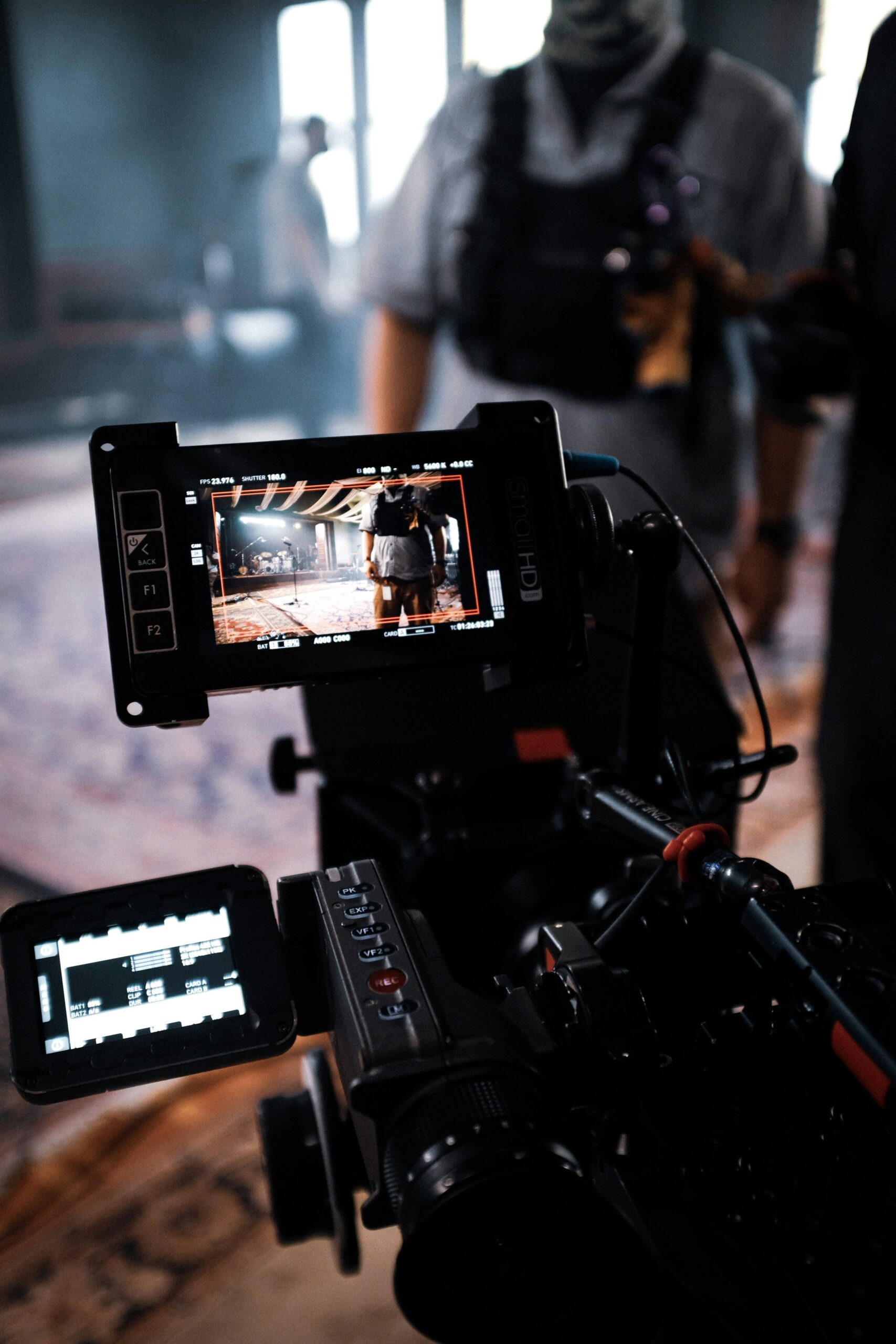
Walk the floor of any busy distribution center in Georgia and you’ll hear it: Spanish is the working language of the warehouse. The shift leads, the forklift operators, the pick and pack teams — for many of them, English is a second language. But press play on most industrial safety or recruiting videos and you’d never know it.
That gap costs companies every day. A safety procedure half-understood is a safety procedure half-followed. A recruiting video that doesn’t sound like the team it’s hiring never reaches the candidates it needs. The fix isn’t complicated — it’s a corporate video production crew that speaks the language of the floor. Here’s why bilingual video production in English, Spanish, and Portuguese has become one of the highest-ROI moves an industrial company can make.
It’s also a gap most production companies can’t fill. If your operation runs on video for logistics companies that only speaks English, you’re broadcasting to half your building. A bilingual video production crew closes that gap at the source.
The Language Gap on the Warehouse Floor
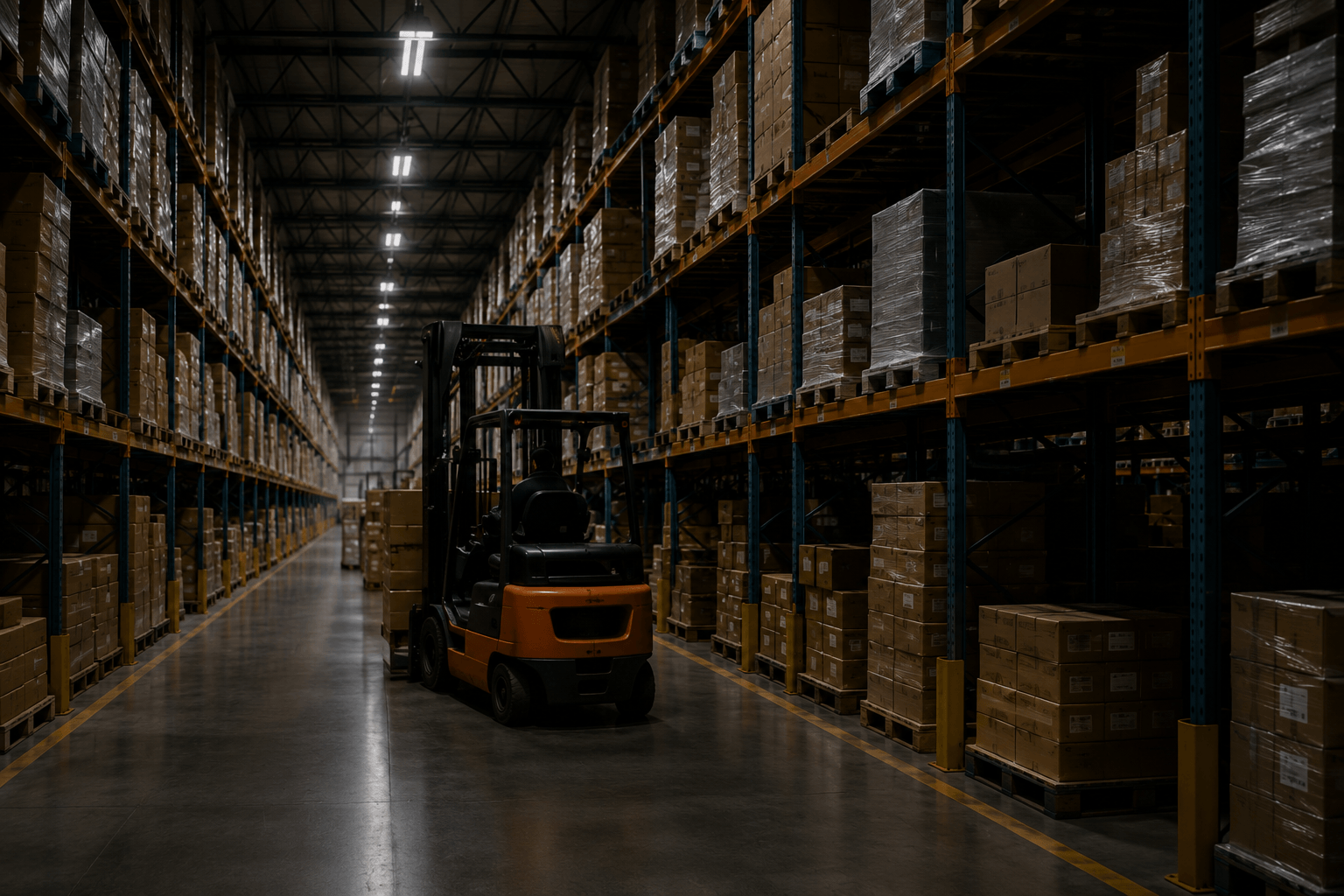
Logistics runs on immigrant labor — that’s not a political statement, it’s a staffing roster. Across the Southeast’s distribution corridor, Spanish-speaking associates make up a huge share of warehouse workforces, with Portuguese-speaking teams growing fast in several markets. These are the people moving the freight, operating the equipment, and keeping the metrics green.
Now look at the typical industrial video library: English narration, English on-screen text, English interviews. The workforce that needs the message most gets it through a filter — a supervisor’s summary, a translated handout, a subtitle track nobody turns on. Every layer between the message and the worker is a place where meaning leaks out.
Safety Training People Actually Understand
Safety content is where the language gap turns expensive. Lockout/tagout, pedestrian-forklift separation, hazmat handling, emergency procedures — this material has to land perfectly, because the cost of misunderstanding is measured in injuries, not quiz scores.
Workers retain procedures far better when they’re trained in their first language. A safety film delivered in Spanish — filmed in their facility, showing their aisles and their equipment — doesn’t feel like corporate compliance. It feels like someone talking directly to them. Pair it with a distribution center video tour in the same language and new hires orient faster, because they recognize the building from day one.
Recruiting Videos That Sound Like Home
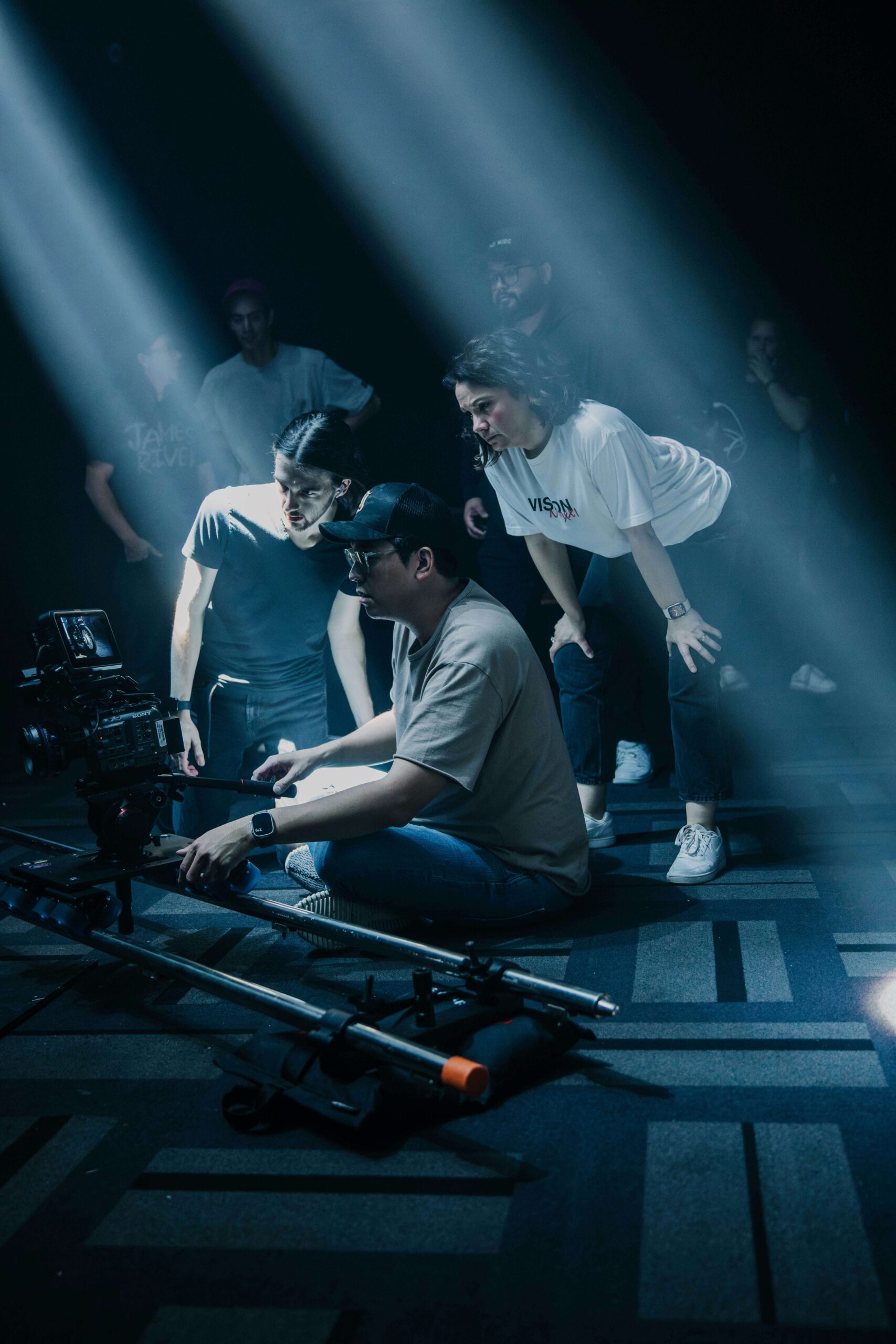
Warehouse hiring is brutally competitive, and candidates choose employers the way customers choose brands — on feeling. A recruiting film where the testimonials, the narration, and the day-in-the-life footage are in Spanish tells a Spanish-speaking candidate something no benefits list can: people like me work here, and the company speaks to us.
We’ve seen this up close. Red Passage has filmed recruiting content in Brazil for Dell and Scania — full productions in Portuguese, built around real employees telling real stories. The principle travels: when workers see themselves in your hiring content, applications follow. Our recruiting videos for construction companies run on the same insight — people join teams they can picture themselves on.
What a Real Bilingual Video Production Crew Means
Here’s where most companies get it wrong: they shoot in English, then pay for subtitles or a dub and call it bilingual. Workers can tell instantly — and the content feels like an afterthought, because it was one.
A real bilingual production is built multilingual from the first call. Native-speaking directors and interviewers who can actually converse with your team, not just read a translated script. Interview questions written — not translated — for each language, because the way you ask about safety culture in Spanish isn’t a word-swap of the English version. On-camera talent that’s relaxed, because they’re speaking the language they think in. That’s the difference between content your workforce tolerates and content they trust.
It’s also why the crew matters more than the camera. Learn about Red Passage and you’ll see multilingual production isn’t a service we added — it’s how we’ve worked from the start, in English, Spanish, and Portuguese.
One Shoot, Three Audiences
The economics are better than most operations leaders expect. A bilingual shoot doesn’t mean three productions — it means one well-planned production day that delivers an English cut, a Spanish cut, and a Portuguese cut. Same facility, same crew, same lighting setups; the interviews and narration simply run in each language.
Those cuts then work across the whole operation: safety training in the language each shift speaks, onboarding films that don’t need a translator standing by, recruiting content for every community you hire from, and corporate communications that reach the full workforce. When you look at what video deliverables actually include, multi-language versions are some of the highest-leverage assets on the list. And when the need is urgent — a safety incident, a sudden hiring push — our 24-hour video production turnaround applies in every language we shoot.
Why Red Passage
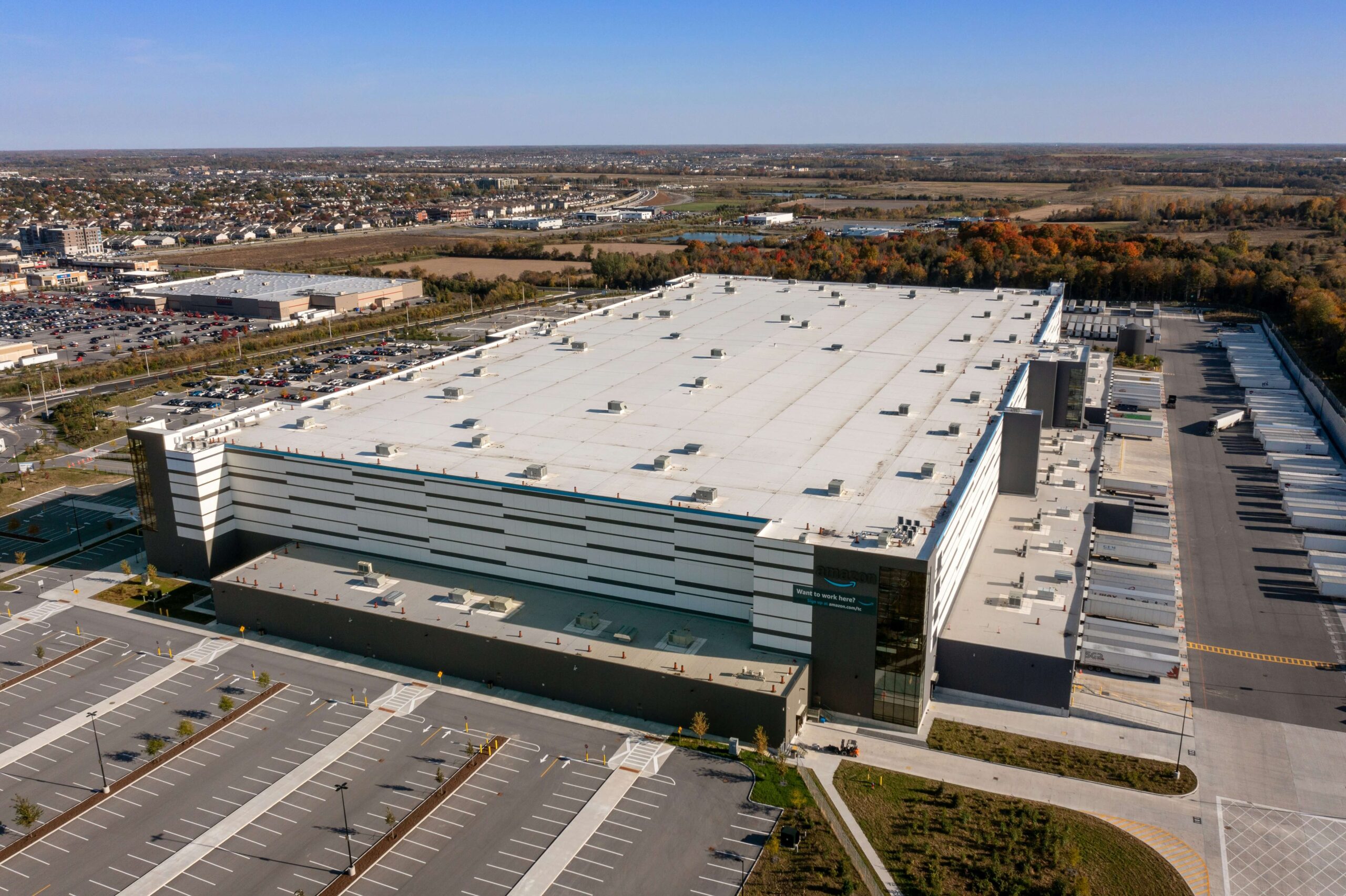
We’re a Georgia-based studio built for industrial and logistics work — the same team behind our industrial and manufacturing video production and logistics showcase videos. Video and photography from a single crew. Full ownership of every deliverable. Rush turnaround when it can’t wait. And genuinely multilingual crews — English, Spanish, and Portuguese — so the films that run your operation speak to everyone in the building.
Talk to us about the languages your floor speaks. We’ll show you what your safety, onboarding, and recruiting content should sound like.