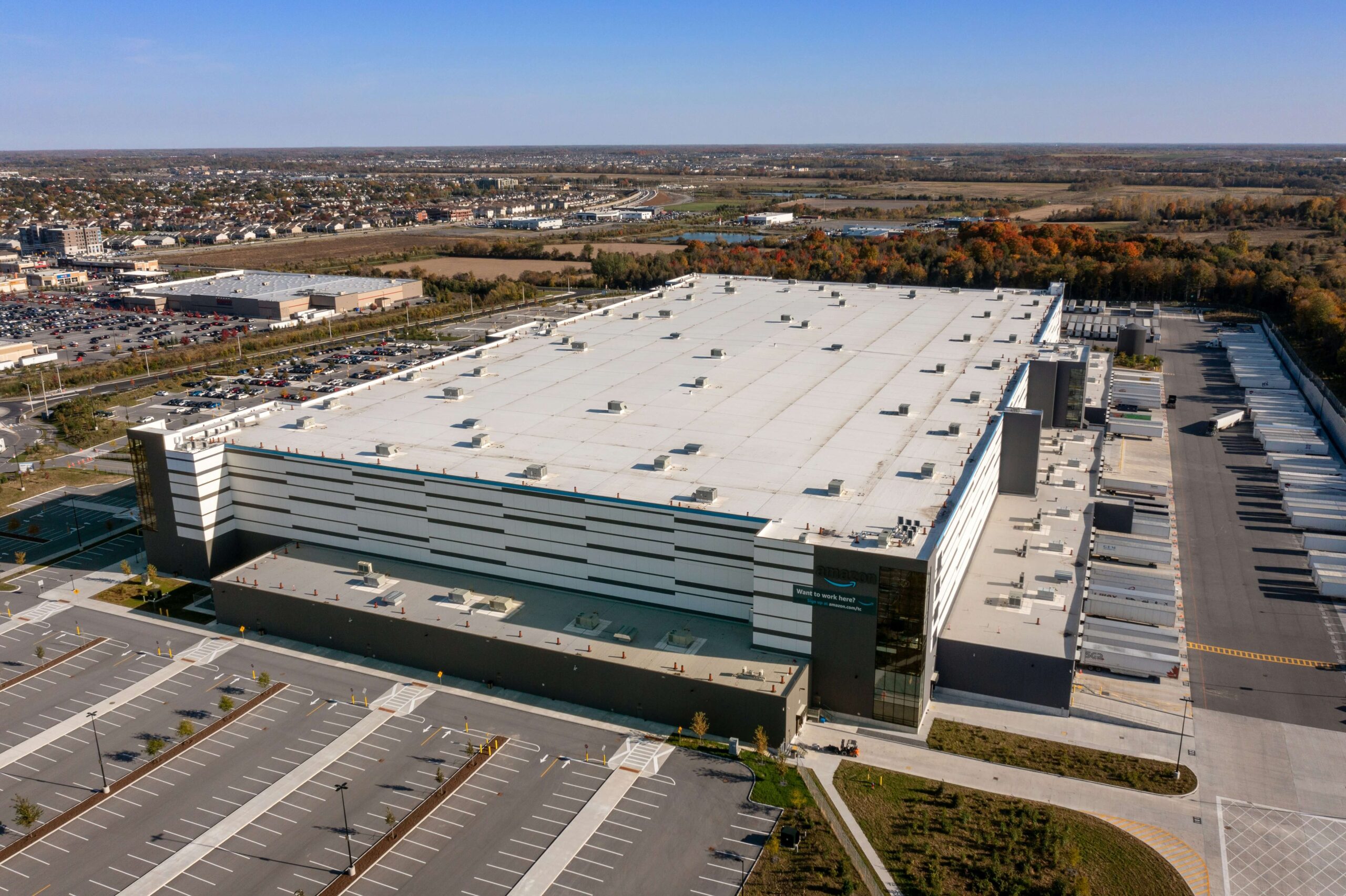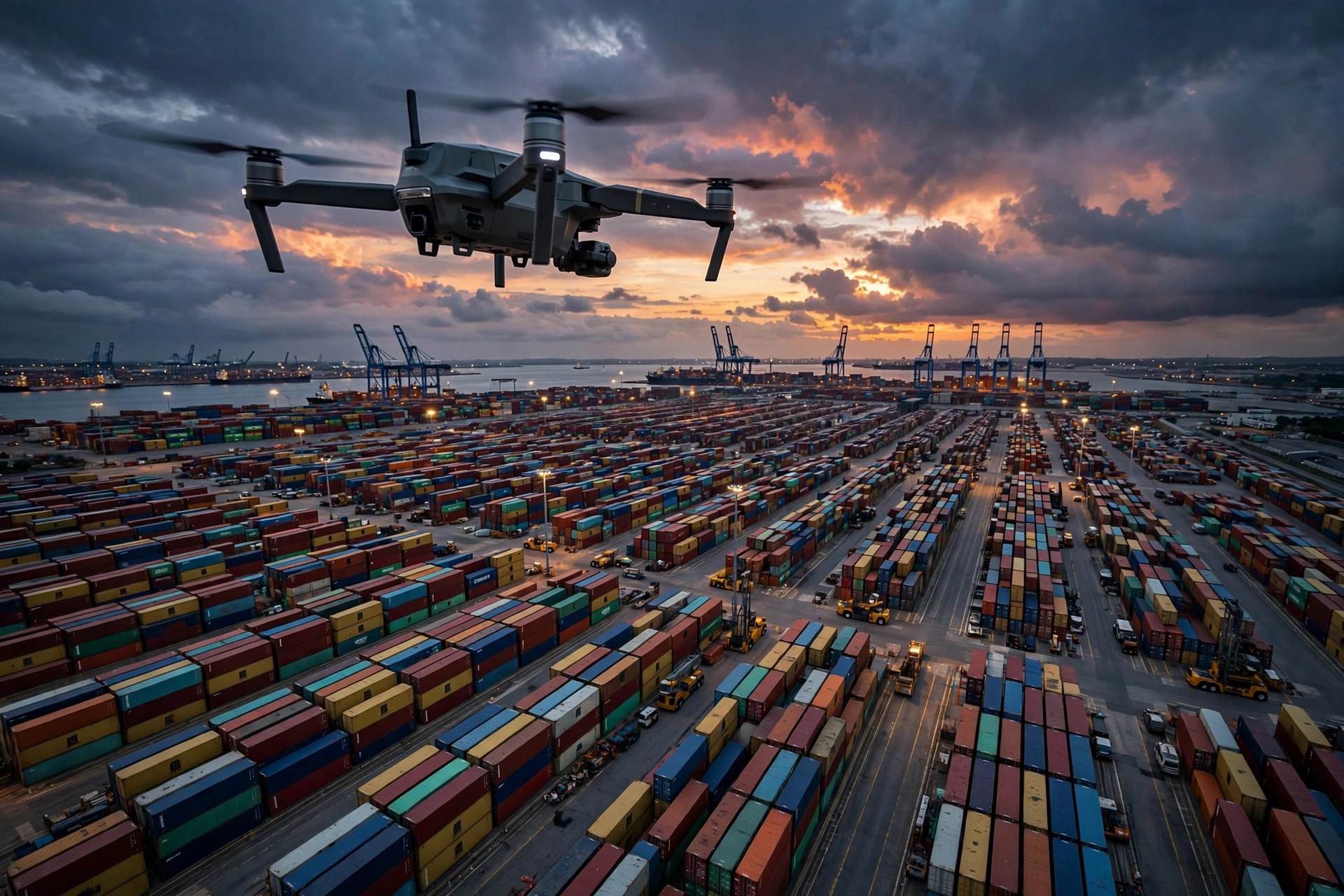
Warehouses were practically designed for drones. Big footprints, clean sightlines, dramatic scale — one aerial frame can show a prospect the entire operation: the building, the dock court, the trailer staging, the highway access. Yet facility managers keep asking the same question before they book a flight: what does the FAA actually allow?
Short answer: a lot — if your pilot is licensed and the flight is planned. Here’s the plain-English version of the rules, the warehouse-specific gotchas nobody mentions, and a checklist for hiring a drone operator who won’t get your facility in trouble.
The One Rule That Matters: Part 107
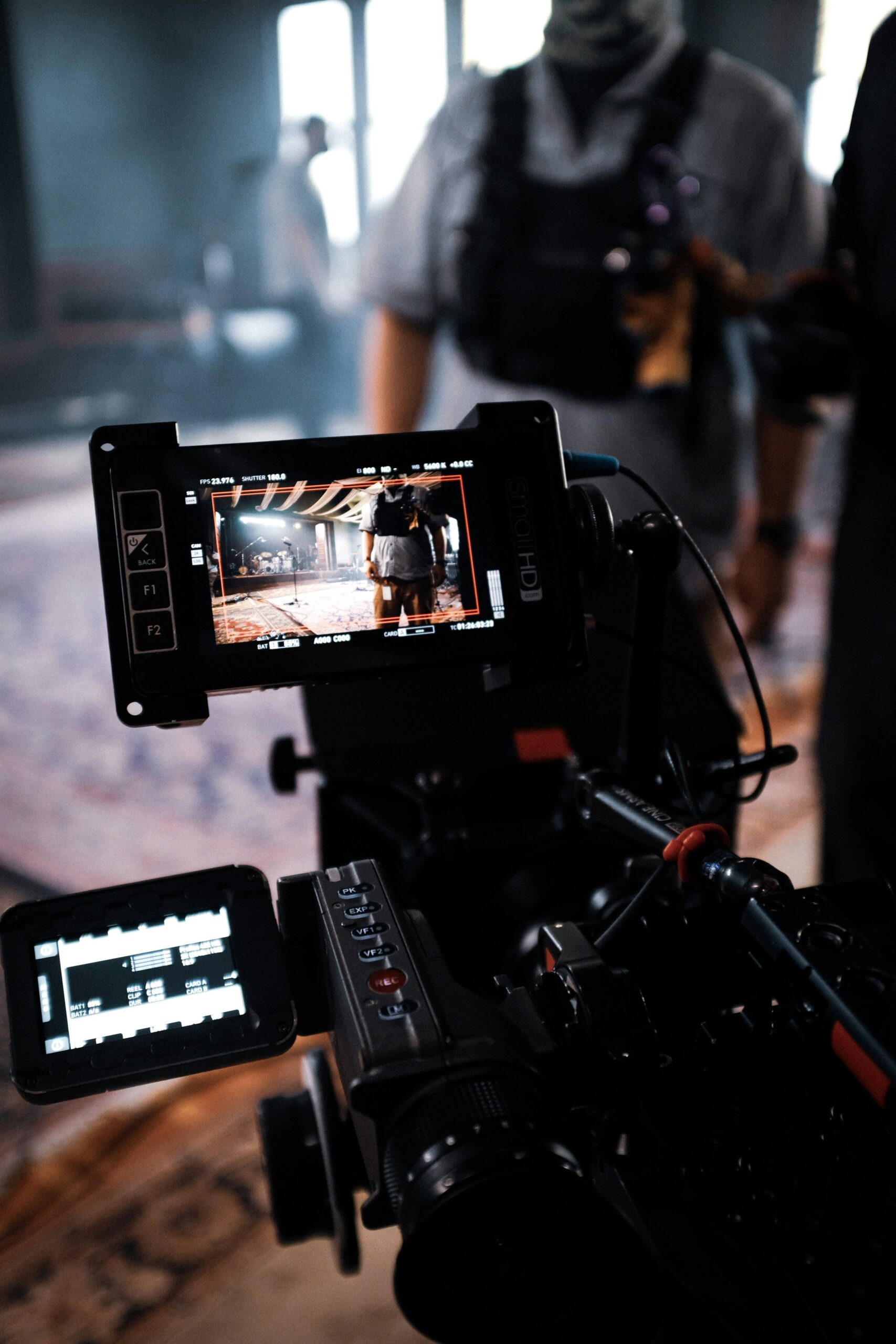
Every commercial drone flight in the United States operates under the FAA’s Part 107 rules, and the foundation is simple: the pilot must hold a Part 107 Remote Pilot Certificate. No certificate, no legal commercial flight. This isn’t a gray area or a technicality — it’s the first question to ask any operator, and a legitimate one answers it proudly. Red Passage flies every commercial mission with certified Part 107 pilots, and it’s the same standard behind our industrial and logistics video production work.
What the FAA Actually Allows Over Your Facility
- Your property, your flight — mostly. The FAA regulates airspace, not land ownership. Flying over your own facility is generally fine; the restrictions kick in based on what’s above and around it.
- Controlled airspace needs authorization, not a waiver. Warehouses cluster near airports — the Atlanta airport corridor is prime logistics territory and prime controlled airspace. A licensed pilot clears this through LAANC (the FAA’s authorization system), usually in minutes to hours, not weeks.
- 400 feet is the ceiling. Maximum altitude is 400 feet above ground level, the pilot must keep the drone in visual line of sight, and flights are daylight-only unless the pilot holds a night authorization and the aircraft carries proper lighting.
- People are the real restriction. Flying over unprotected people is restricted. That means planning flights around shift changes, keeping the crew clear of the flight path, and coordinating with site safety — not improvising on the day.
The Warehouse-Specific Gotchas Nobody Mentions
- Indoor flights are a different sport. FAA airspace rules don’t apply indoors — but neither does GPS. Indoor drone work needs a skilled manual pilot and the right aircraft, and it’s where inexperienced operators crash. If someone promises indoor flights, ask how many industrial interiors they’ve actually flown.
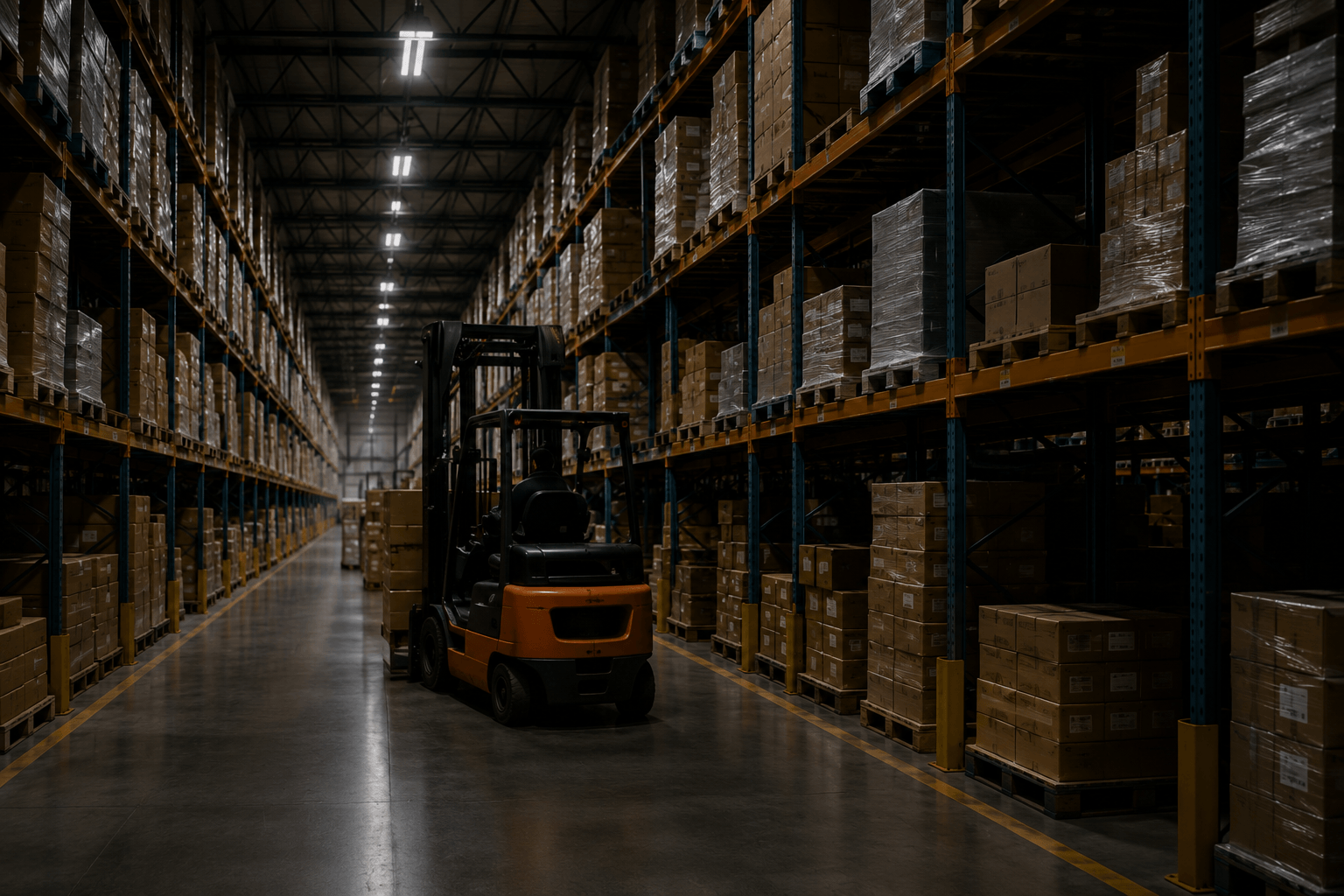
- Active operations need choreography. Forklifts, dock activity, yard trucks — a warehouse in motion is a dynamic environment. Flights get scheduled around operations and coordinated with the site safety lead, never squeezed between shifts.
- Don’t drift over the neighbor. Your authorization covers your operation. The distribution center next door is someone else’s property, and overflying it without permission is how operators create problems for their clients.
- Brief the site first. Employees notice drones. A two-minute heads-up to the floor — what the drone is doing, how long, where it won’t go — prevents a morning of rumors and one call to the front office.
What Drone Footage Actually Does for a Warehouse
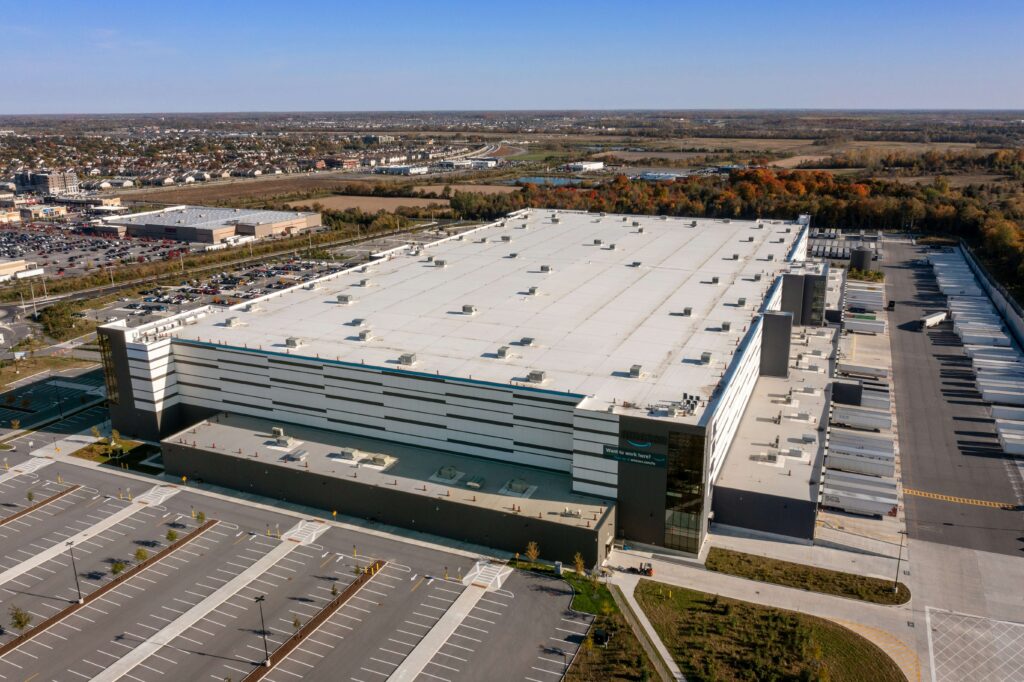
- The establishing aerial. Footprint, dock configuration, trailer staging, highway access — the single most orienting image a prospect will ever see of your facility. Leasing gold.
- Progress documentation. Monthly aerials of a construction or expansion project turn a build into a story you can show investors, tenants, and the public. It’s the same long-view thinking behind our full library of deliverables.
- Operations in motion. Trucks cycling through the dock court, yard management in action — throughput a shipper can see is throughput a shipper believes.
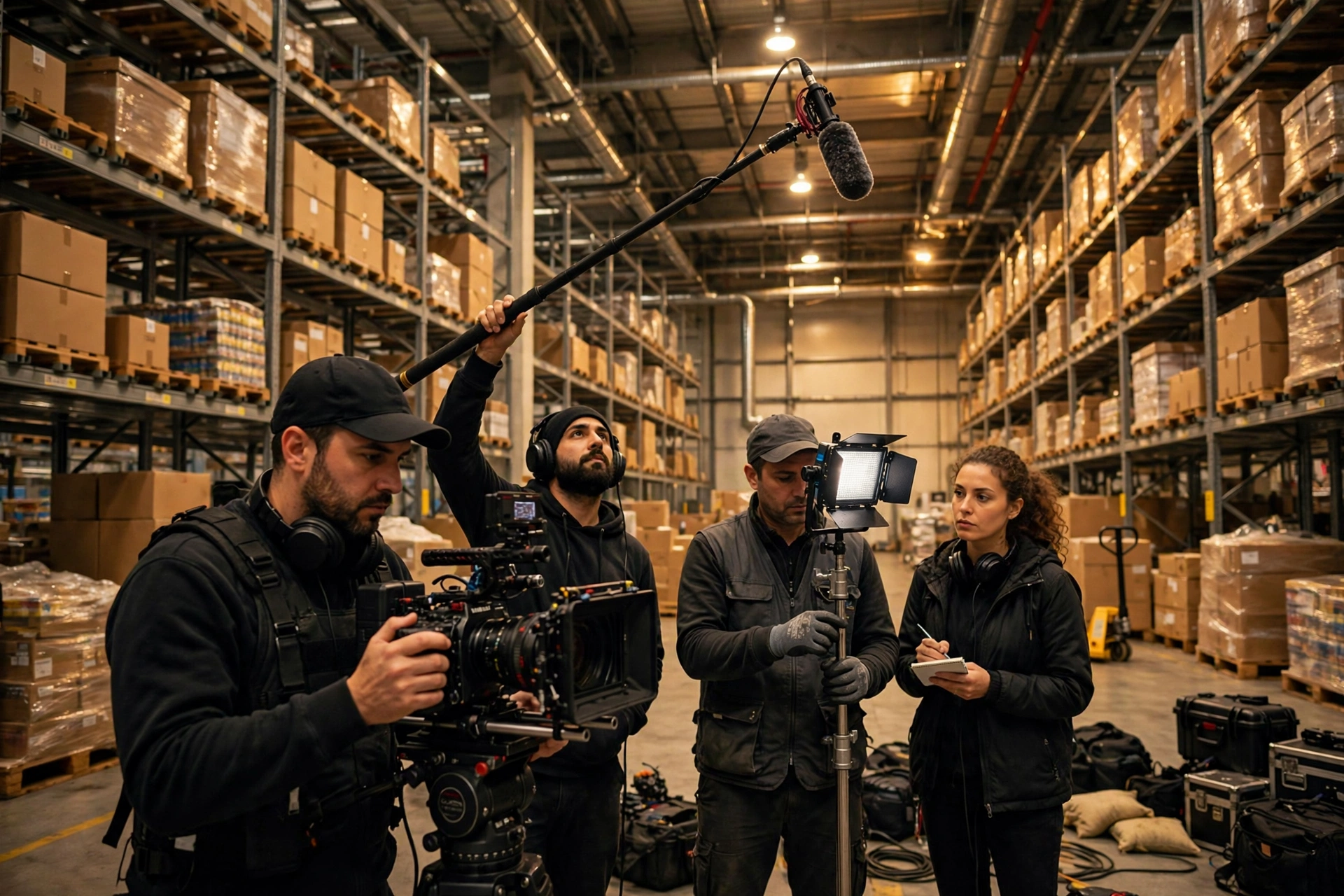
- The complete facility tour. Aerials plus a stabilized ground walkthrough plus executive soundbites: that’s a facility film, not just drone shots. One production day, air and ground together.
Hiring a Drone Operator: The Checklist
- Part 107 certificate — ask to see it. Non-negotiable.
- Insurance — hull and liability coverage, with a certificate of insurance naming your company. If they can’t produce one, walk away.
- Industrial experience specifically — wedding and real-estate drone work doesn’t prepare a pilot for an active distribution center.
- Deliverables in writing — licensed stills and video in the formats you need, with full ownership. You don’t want to renegotiate usage rights a year from now.
- One vendor for air and ground — a pilot who only flies leaves you hiring a second crew for everything else. A production company that flies, films, and photographs in one visit saves you a second safety briefing and a second invoice.
Fly It Right, Once
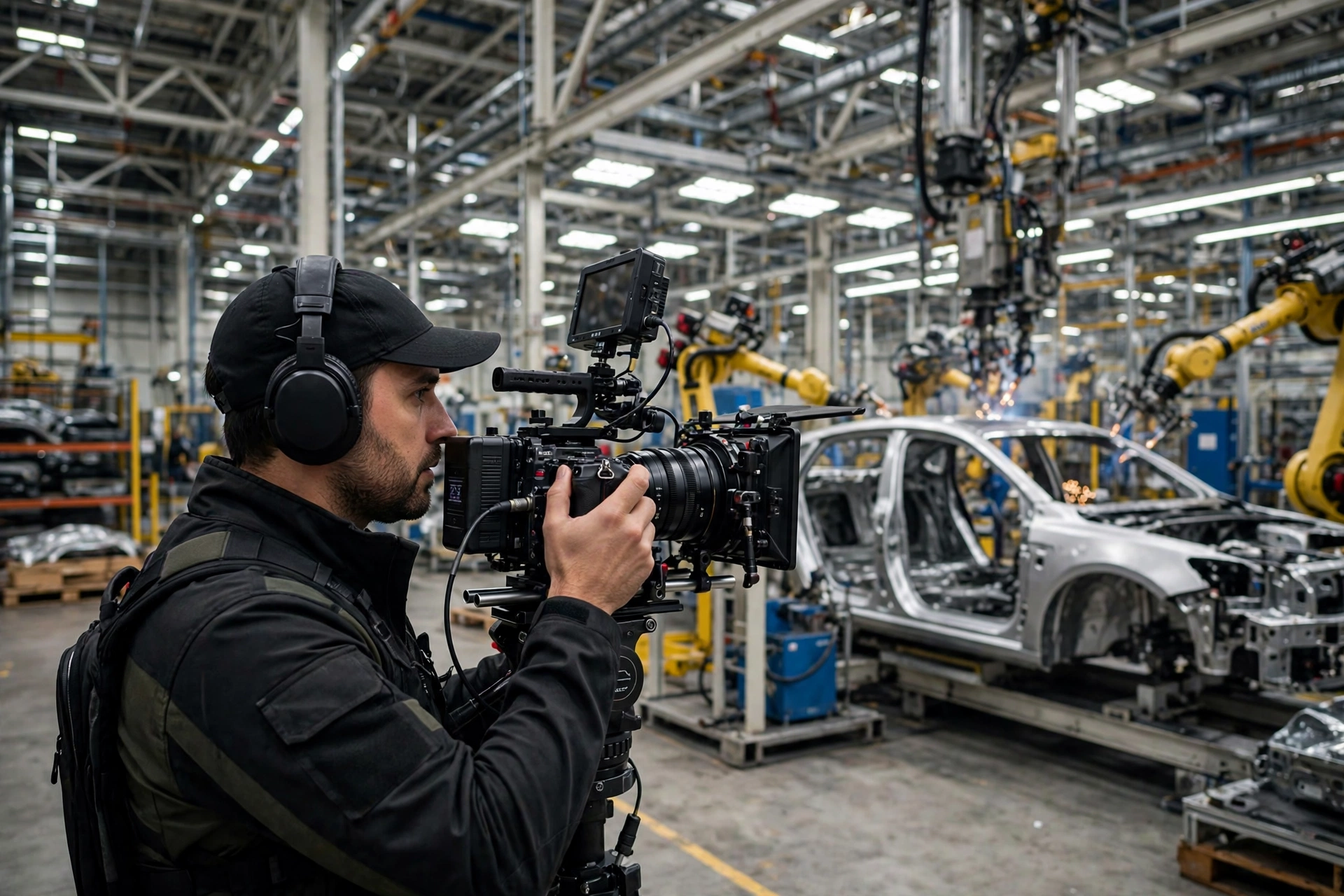
Drone photography for warehouses is one of the highest-value assets a facility can own — when it’s legal, planned, and paired with ground-level coverage. Red Passage handles the whole thing: certified Part 107 pilots, aerials and ground video and stills in a single shoot day, organized into a library your team actually uses. See our logistics showcase, read our company introduction, explore our video production for logistics companies — then let’s talk about your facility. On a tight timeline? Ask about our 24-hour video production.
Rules set the boundaries, but judgment is what keeps a shoot safe and useful, and that applies far beyond drones. It is central to our approach to B2B storytelling, and to what specialist video crews do differently in logistics when they are working around active operations. Know the regulations, then hire the judgment.