Facility directors hire photographers to document warehouses all the time — for leasing packages, insurance records, compliance files, and marketing. And most of those shoots end the same way: a folder of clean, competent pictures that somehow miss the operational story. The racking is there. The dock doors are there. But nothing in the folder helps a broker lease the space, an insurer assess the risk, or a shipper trust the operation.
The difference between a forgettable shoot and a useful one isn’t the camera. It’s the plan. This warehouse photo documentation checklist covers what to request before the shoot, the essential shots every facility needs, what to skip, and how to turn a single shoot day into an asset library that keeps working for years.
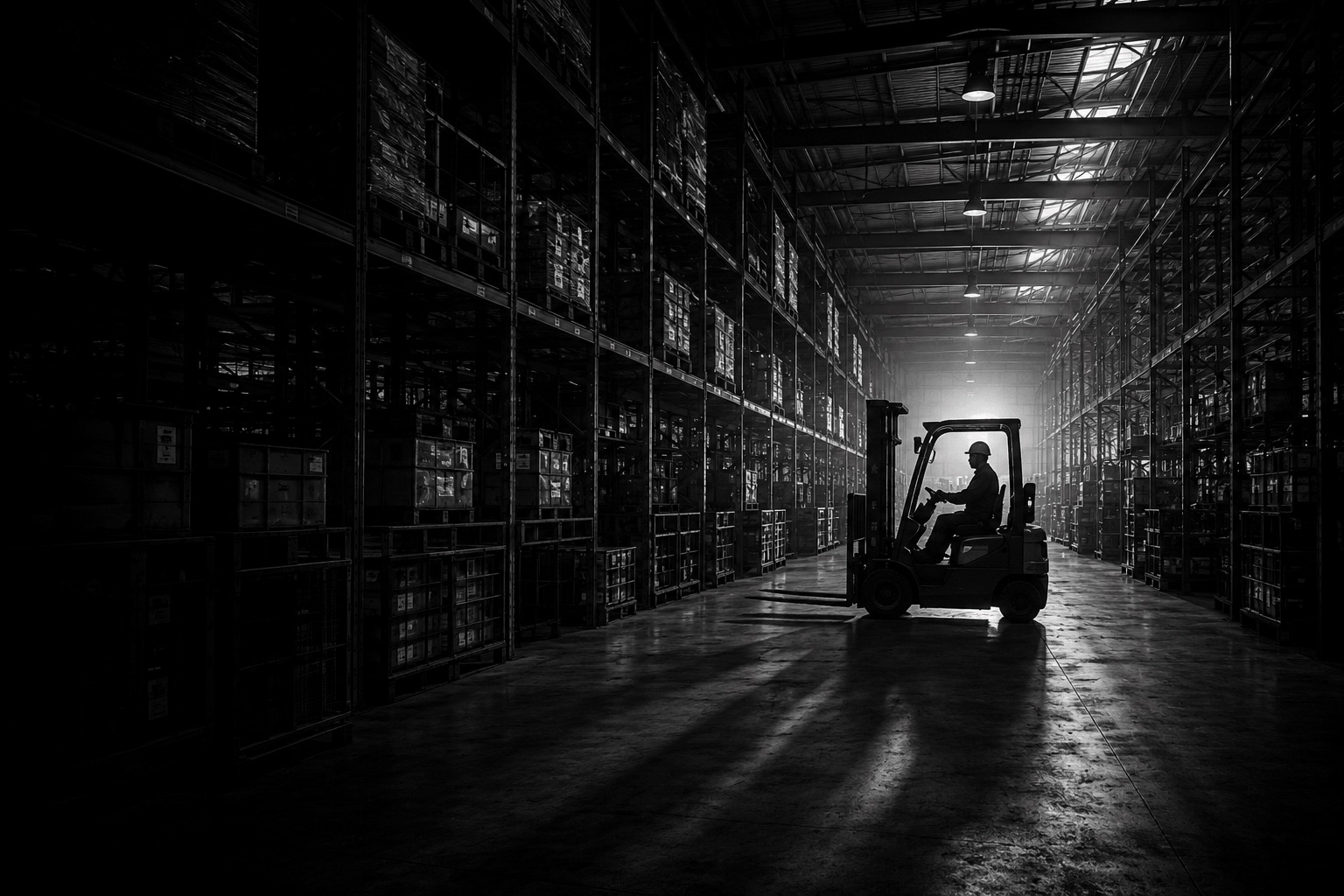
Before the Shoot: The Planning Checklist
- Define the uses first. A leasing package, an insurance record, a compliance file, and a marketing campaign need different coverage. List every use before anyone picks up a camera — one shoot can serve all four if it’s planned that way.
- Build a shot list by zone. Exterior, dock court, aisles, racking, specialized systems, offices, people. Zone by zone, nothing gets missed and nothing gets shot twice.
- Decide: active operations or clean and empty? Both have value. Active operations show throughput and culture; empty shows pure space and condition. If the budget allows, capture both — the combination is what leasing teams actually want.
- Lock down access and safety. Escort requirements, PPE, restricted zones, shift schedules. A photographer who shows up without a safety plan becomes your problem for the day.
- Specify deliverables in writing. Resolution, file formats, turnaround time — and ownership. Know exactly what your contract covers before the shoot, not after the invoice.
The Essential Shots Every Facility Needs
- The exterior hero — full building elevation, signage, and trailer court in one confident frame. This is the image every listing leads with.
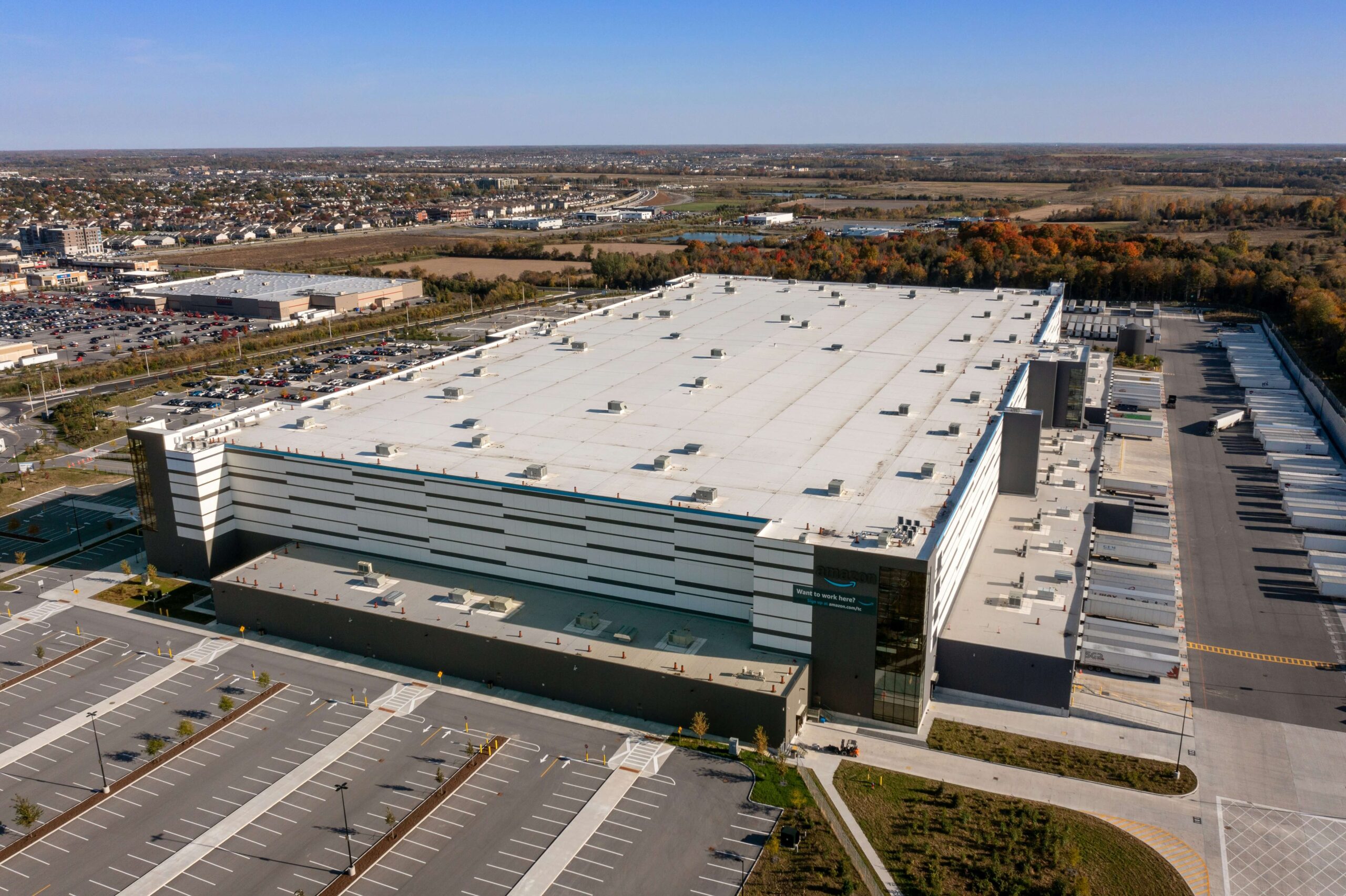
- Aerial context — the footprint, dock configuration, and highway access from above. Shot by a licensed Part 107 pilot, it orients every viewerin seconds. —
- Dock doors and loading activity — doors, levelers, and trailers in motion. Throughput on camera is throughput a shipper can believe.
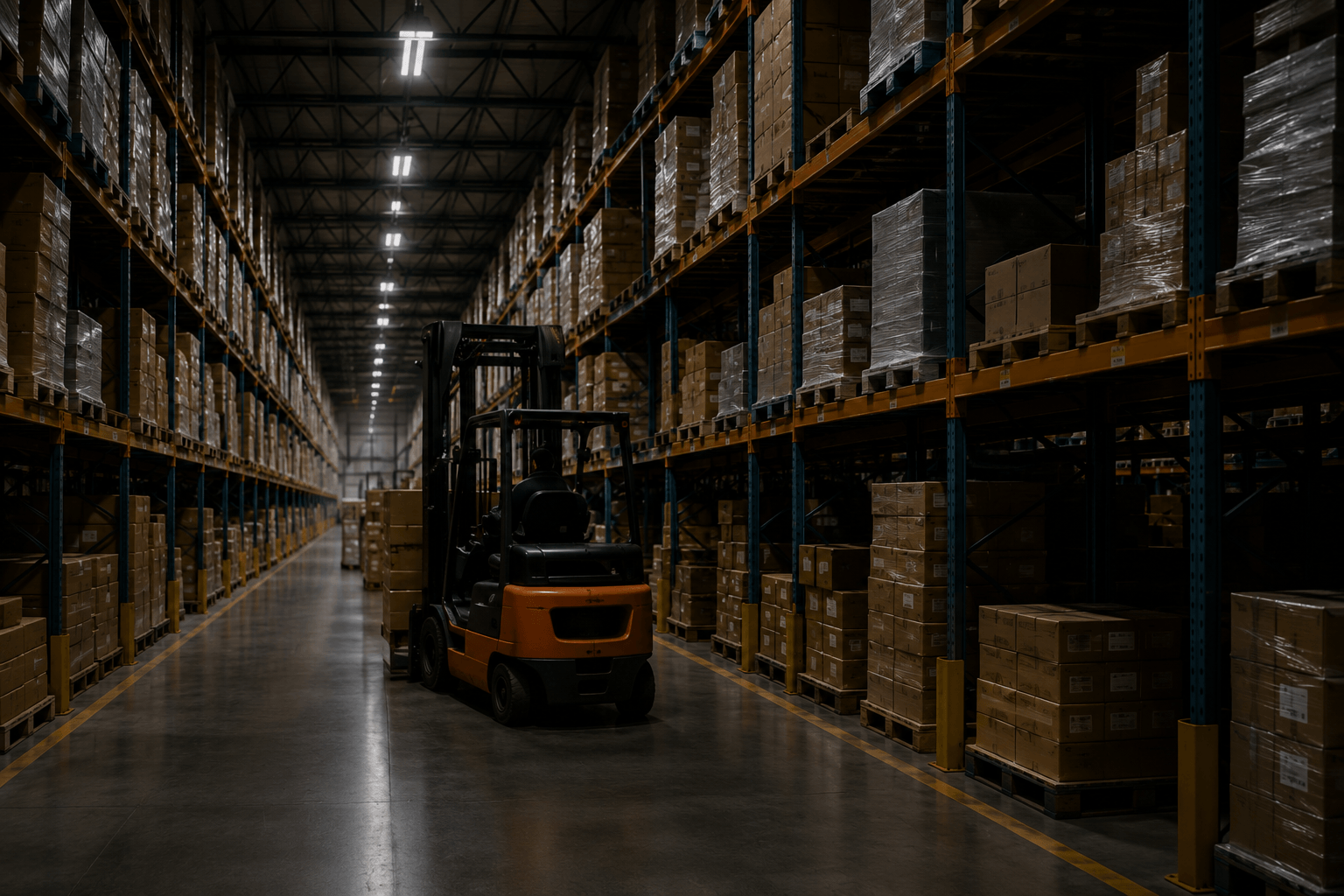
- Main aisles and racking — wide, straight, and honest, with clear heights and floor condition visible. No artsy angles that misrepresent scale.
- Specialized systems — automation, cold storage, hazmat areas, value-added services. Whatever makes your operation different from the building next door.
- Offices and amenity spaces — break rooms, training areas, driver lounges. Candidates judge employers by these rooms, and labor is competitive.
- People at work — crew members operating safely and confidently. A facility with visible safety culture photographs as a facility worth trusting.
- Detail shots — signage, labels, floor markings, maintenance condition. The details are what insurers and compliance reviewers actually zoom in on.
What to Skip (or at Least Deprioritize)
- Empty-building-only coverage. It shows the box and hides the business. Space without activity is a commodity; operations on camera are a differentiator.
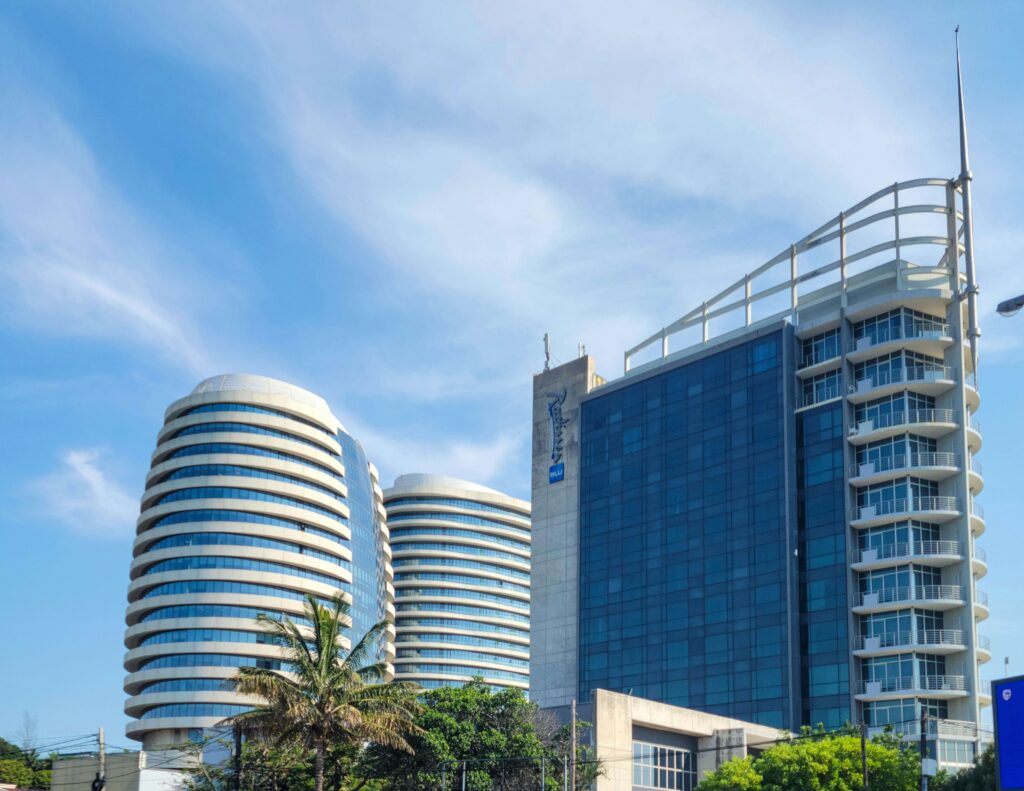
- Angles that flatter but mislead. Extreme wide angles that double the apparent aisle width will cost you trust the moment a prospect visits in person.
- One-and-done thinking. A folder of finals with no organization, no tagging, and no plan for reuse dies on a shared drive. Plan the library, not the folder.
Turn One Shoot Into a Full Asset Library
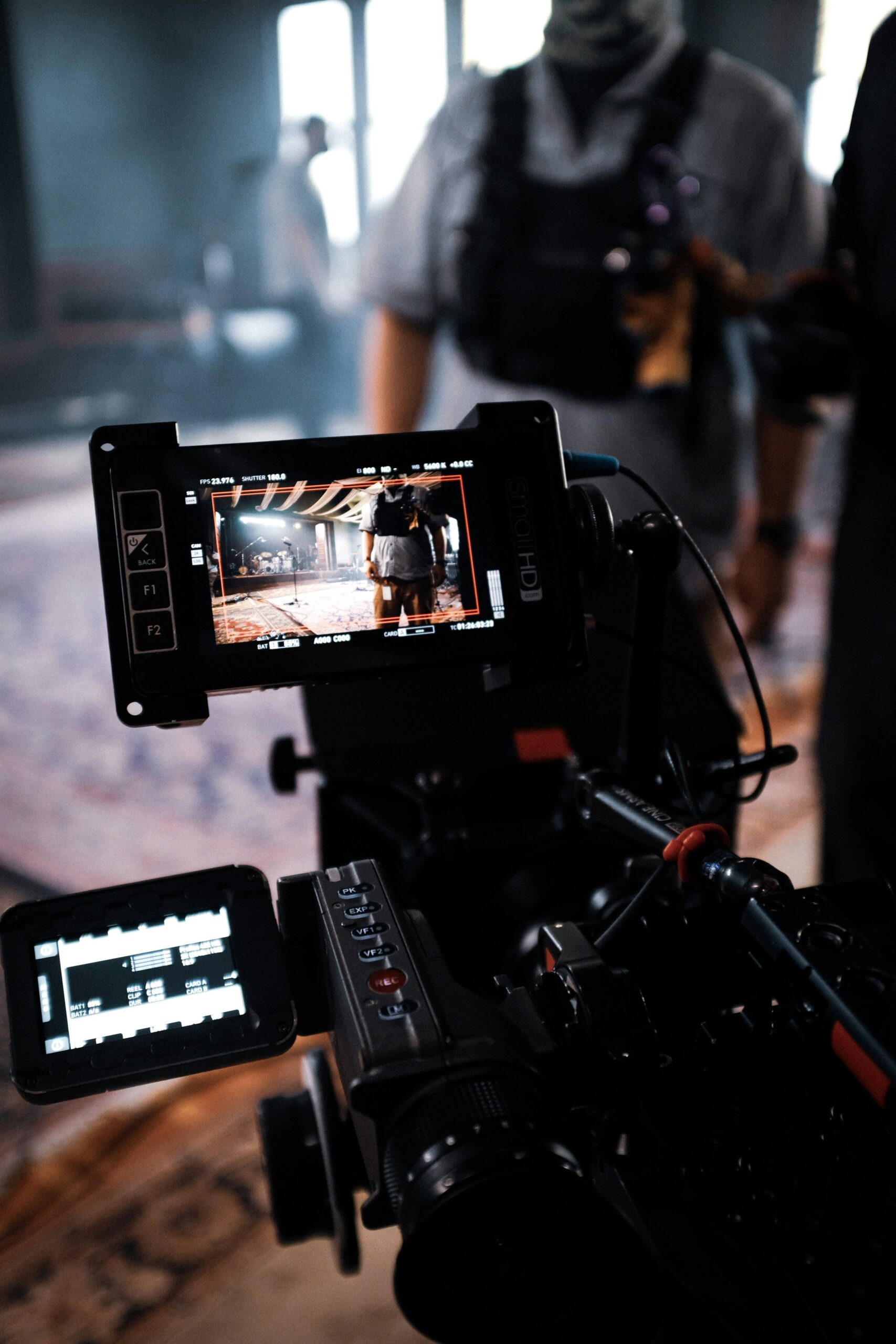
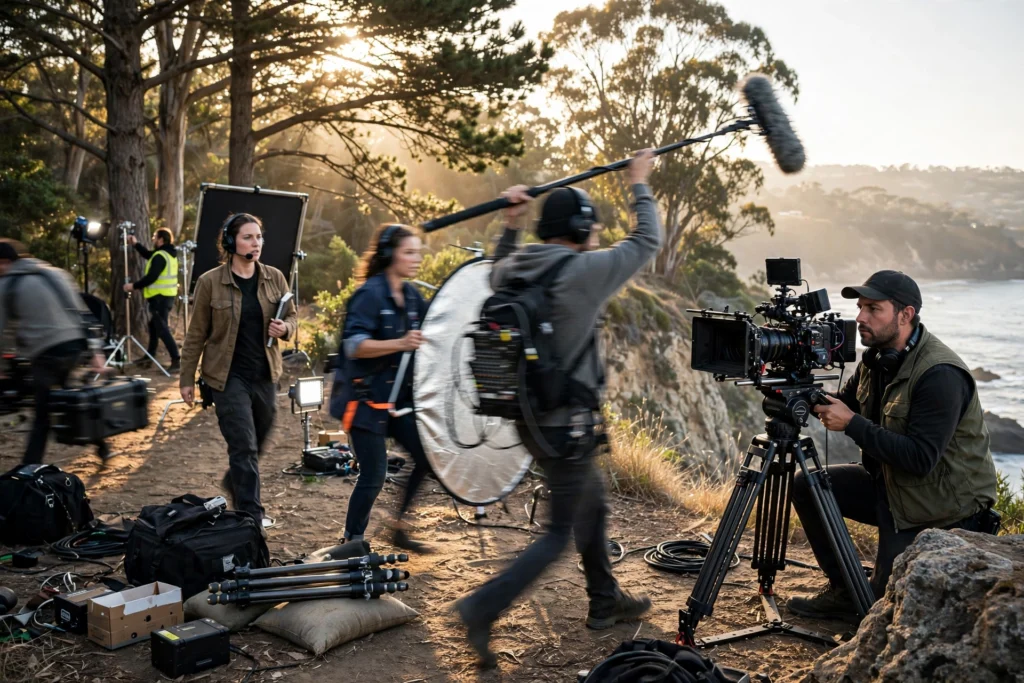
Here’s where most facilities leave money on the table. The same shoot day that produces your stills can produce short video clips — a gimbal walk down the main aisle, thirty seconds of dock activity, an aerial orbit of the building. Stills document; motion convinces. Capturing both in one visit is the same philosophy behind our full library of deliverables: one well-planned production day should feed your marketing for months.
Organize everything by zone and use case, tag it so anyone can find a shot in thirty seconds, and keep the raw files. Your leasing team, your insurer, your marketing — they all pull from the same library instead of commissioning the same shoot three times.
The Ownership Question: Get It in Writing
Photography contracts vary wildly. Some photographers license images back to you with restrictions on where and how long you can use them; others hand over full ownership. For a facility that will use these images across leasing, insurance, compliance, and marketing for years, restricted licensing is a trap — you don’t want to renegotiate usage rights every time a new broker needs the hero shot.
Our approach is simple: one contract, full ownership, photo and video together. It’s the same straightforward standard behind our industrial and logistics video production work — you commissioned the assets, you own the assets, period.
Document It Like It Matters — Because It Does
A warehouse is one of the most expensive assets your company operates. Documenting it with a checklist, a plan, and full ownership isn’t overhead — it’s asset management. Red Passage handles facility documentation across the Southeast: professional photography plus cinematic video in a single shoot day, organized into a library your whole team can use. See our logistics showcase, read our company introduction, explore our video production for logistics companies — then let’s talk about your facility.
A good checklist protects you after the crew leaves, and the same preparation mindset shapes everything we shoot. You will see it in our corporate video work, and in how specialist crews film logistics operations without slowing the floor. Plan the deliverables before the shoot day and you will never scramble after it.